



Best Aftercare for New Piercings in Denver
Best Aftercare for New Piercings in Denver: Expert Cleaning Tips and Healing Guidance

By Ben Gunn, Stay Local Tattoo and Piercing
Receiving a new piercing requires deliberate aftercare to support predictable healing and to reduce the risk of complications. This article presents essential aftercare guidance, including cleaning methods, expected healing durations, and recommended products. It explains how to clean a new piercing, the typical healing times for common piercing locations, the aftercare products that support recovery, and how to recognise and manage frequent complications. The article also outlines how to arrange professional piercing services and aftercare support in Denver.
How Should You Clean a New Piercing to Prevent Infection?
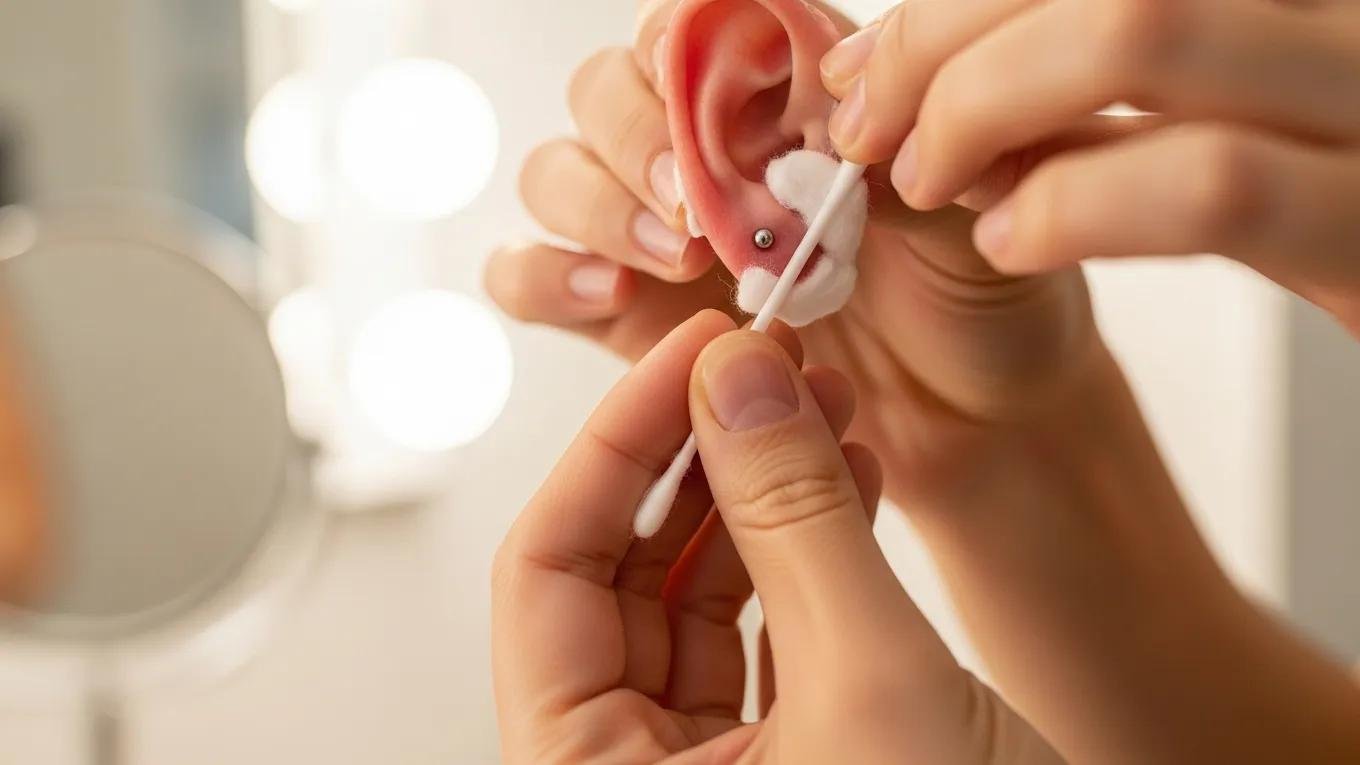
Cleaning a new piercing is essential to limit microbial contamination and to promote tissue recovery. Effective cleaning requires appropriate solutions and a consistent schedule. Adherence to these basic practices supports correct healing and reduces the likelihood of complications.
What Are the Recommended Cleaning Solutions for Piercing Aftercare?
Several solutions are appropriate for routine care. Saline solution is widely recommended because it cleans gently without causing undue irritation. Antiseptics such as hydrogen peroxide or alcohol are typically too aggressive and can impede healing. A mild, fragrance-free soap diluted in water is an acceptable adjunct for cleansing.
How Often Should You Clean Your New Piercing?
For optimal healing, clean the piercing at least twice daily to remove debris and reduce bacterial load. Increase cleaning frequency if signs of irritation or discharge arise. Always wash hands thoroughly before handling the piercing, and avoid manipulating the jewellery during the healing period.
What Is the Typical Healing Time for Different Piercing Types?
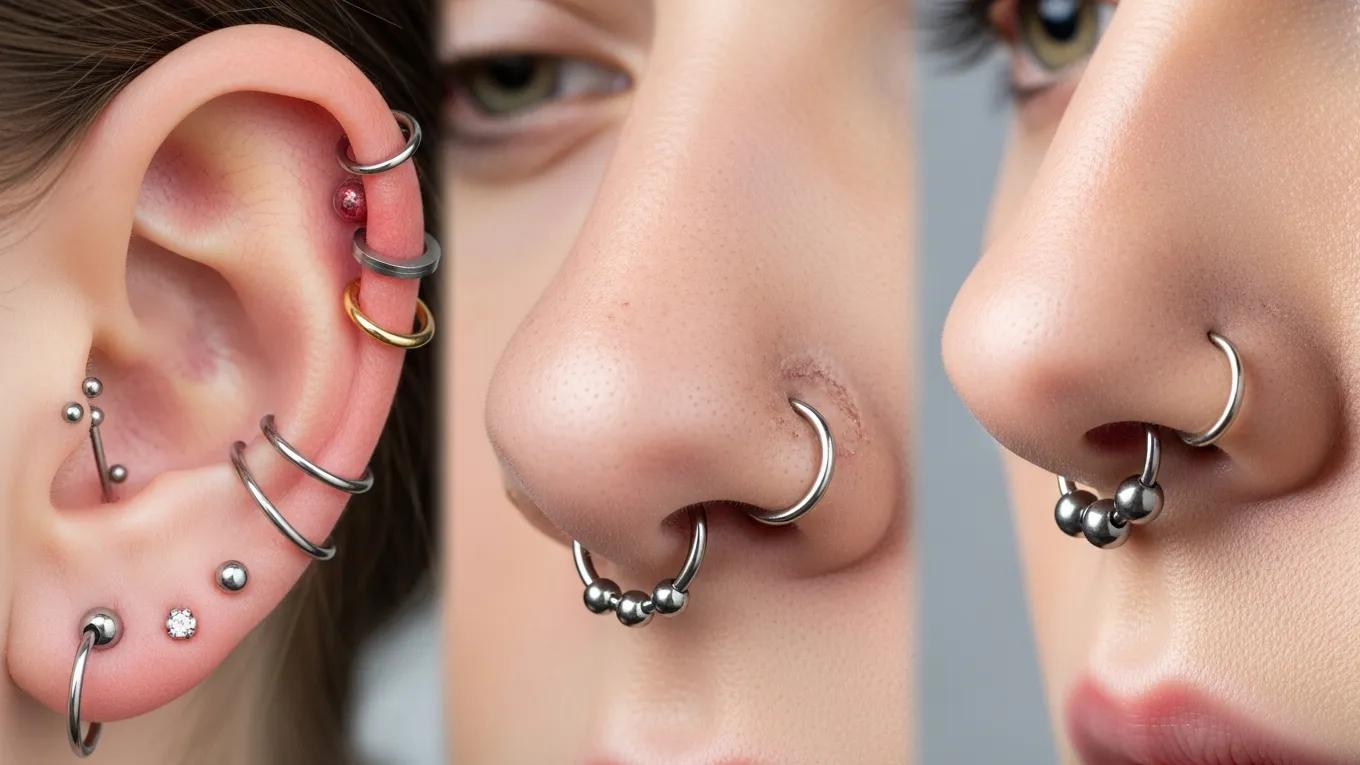
Healing intervals vary according to anatomical location and tissue type. Familiarity with these timelines enables appropriate care planning and realistic expectations.
How Does Healing Time Vary by Piercing Location?
Healing times differ by site. Ear piercings commonly resolve within 6–8 weeks, nasal piercings typically require 2–4 months, and body piercings such as navel or nipple may take approximately 6 months to one year to achieve full healing. It is essential to follow aftercare instructions specific to the piercing location to support proper recovery.
What Are the Signs of Proper Healing Versus Infection?
Proper healing may include mild redness and limited swelling that diminish over time. Indicators of infection include increasing redness, swelling, pain, and purulent discharge that is yellow or green. If infection is suspected, seek professional evaluation promptly.
Which Aftercare Products and Jewelry Materials Are Best for New Piercings?

Selecting appropriate aftercare products and jewellery materials materially influences the healing trajectory. Certain materials reduce allergenic risk, and specific products can facilitate a cleaner healing environment.
What Jewelry Materials Minimize Allergic Reactions?
Hypoallergenic options such as titanium, surgical stainless steel, and niobium are appropriate for initial piercings. These materials have lower rates of allergic response in most individuals. Avoid jewellery composed of nickel or brass, which frequently provoke irritation and complications.
Which Aftercare Products Support Natural Healing?
Recommended products include saline solutions formulated for piercings and gentle, fragrance-free soaps. Certain natural oils, for example tea tree oil, possess antimicrobial properties but should be used sparingly and only in diluted form to avoid irritation.
| Product Type | Recommended Use | Benefits |
|---|---|---|
| Saline Solution | Daily cleaning | Gentle and effective |
| Fragrance-Free Soap | Cleaning | Reduces irritation |
| Tea Tree Oil | Spot treatment | Antimicrobial properties |
These products assist in maintaining a clean environment and support the healing process, helping to keep the piercing site healthy throughout recovery.
How Can You Identify and Manage Common Piercing Complications?
Complications may occur despite appropriate care. Awareness of common issues and established management steps is necessary to mitigate adverse outcomes.
What Are the Most Common Piercing Complications?
Frequently observed complications include localized infections, keloid formation, and allergic reactions. Infections develop when bacteria contaminate the piercing site. Keloids present as raised scar tissue that can form during healing. Allergic responses may originate from certain jewellery materials and produce irritation and discomfort.
Research emphasises a broad spectrum of potential complications associated with body piercings and underscores the importance of appropriate aftercare.
Preventing Piercing Complications: Aftercare & Hygiene
Complications vary depending on the body-piercing site, materials used, experience of the practitioner, hygiene regimens, and aftercare by the recipient. Localized infections are common. Systemic infections such as viral hepatitis and toxic shock syndrome and distant infections such as endocarditis and brain abscesses have been reported. Other general complications include allergic contact dermatitis (e.g. from nickel or latex), bleeding, scarring and keloid formation, nerve damage, and interference with medical procedures such as intubation and blood/organ donation.
Body piercing: complications and prevention of health risks, 2012
When Should You Seek Professional Piercing Consultation?
Consult a professional piercer or a healthcare provider if pain, swelling, or discharge persists or worsens. Early assessment and intervention reduce the risk of escalation and support appropriate healing.
How Do You Book Professional Piercing Services and Aftercare Guidance in Denver?
Arranging professional piercing services is a critical step to ensure a safe and successful outcome for a new piercing.
At Stay Local Tattoo and Piercing , located at 3865 Wadsworth Blvd, Wheat Ridge, CO 80033, we specialize in custom tattoo and piercing services. Our experienced staff can provide detailed guidance for both the piercing procedure and aftercare. To schedule an appointment, call (720) 242-9615. We assist clients in achieving successful piercings while maintaining safety and client satisfaction.
Frequently Asked Questions
What should I avoid doing after getting a new piercing?
After receiving a new piercing, avoid unnecessary contact or manipulation of the jewellery, which can introduce bacteria and provoke irritation. Refrain from swimming in pools, hot tubs, or natural bodies of water for several weeks, as these environments may contain harmful microbes. Do not apply harsh chemicals or alcohol-based products to the piercing, since they can delay healing and cause irritation.
Can I change my jewelry before the piercing has fully healed?
It is generally advisable to wait until the piercing has fully healed before changing jewellery. Healing intervals vary by piercing type, but many piercings require at least 6–12 weeks for substantial healing. Premature jewellery changes can cause irritation, infection, or closure of the piercing. Consult a professional piercer if there is any uncertainty regarding timing.
How can I tell if my piercing is healing properly?
Monitor for mild redness and limited swelling that decrease over time. A small amount of clear or white discharge may be normal during healing. Increased redness, swelling, pain, or yellow or green discharge may indicate infection and warrant prompt professional advice.
What lifestyle changes can support the healing of my new piercing?
Support healing through a balanced diet with adequate vitamins and minerals, particularly vitamin C and zinc. Maintain hydration and avoid smoking, which can impair circulation and delay recovery. Ensure sufficient rest and manage stress, as these factors influence the body’s healing capacity.
Are there any specific foods or supplements that can aid in healing?
Foods high in vitamin C, such as citrus fruits, strawberries, and bell peppers, support immune function and skin health. Sources of zinc, including nuts, seeds, and whole grains, are important for wound repair. Some individuals consider supplements such as vitamin C or zinc; consult a healthcare provider before initiating any supplement regimen.
What should I do if I experience an allergic reaction to my piercing jewelry?
If an allergic reaction to jewellery is suspected, remove the jewellery if it is safe to do so, particularly when containing nickel or other known irritants. Clean the area gently with saline solution and monitor for persistent symptoms such as redness, swelling, or itching. If symptoms persist or intensify, seek medical advice regarding treatment options, which may include topical agents or antihistamines.
Conclusion
Appropriate aftercare is essential to facilitate predictable healing and to minimise complications following a new piercing. Adherence to recommended cleaning practices and the use of suitable products support successful outcomes. Contact professional services for individualized guidance and further support. Consult the resources provided to maintain piercing health.

Post a comment