



Essential Piercing Aftercare Instructions for Denver Clients
Essential Piercing Aftercare Instructions for Denver Clients: Comprehensive Care and Healing Guidance
What Are the Best Piercing Aftercare Tips for Denver Residents?
By Ben Gunn, Stay Local Tattoo and Piercing
Proper care of a new piercing is essential to prevent infection and to promote correct healing. The following aftercare recommendations are intended for residents of Denver:
Recognize the breadth of online information regarding piercing aftercare and safety when seeking reliable guidance.
Online Piercing Aftercare & Safety Information Analysis
The study examined website content concerning studio cleanliness, safety measures, potential complications from body piercings, piercers’ professional experience and affiliations, recommended aftercare, resources on body modification, and the procedures available.
A Content Analysis of On-Line Information on Body Piercing and Body Modification, 2008
- Maintain Cleanliness: Always wash your hands before touching your piercing to avoid transferring bacteria.
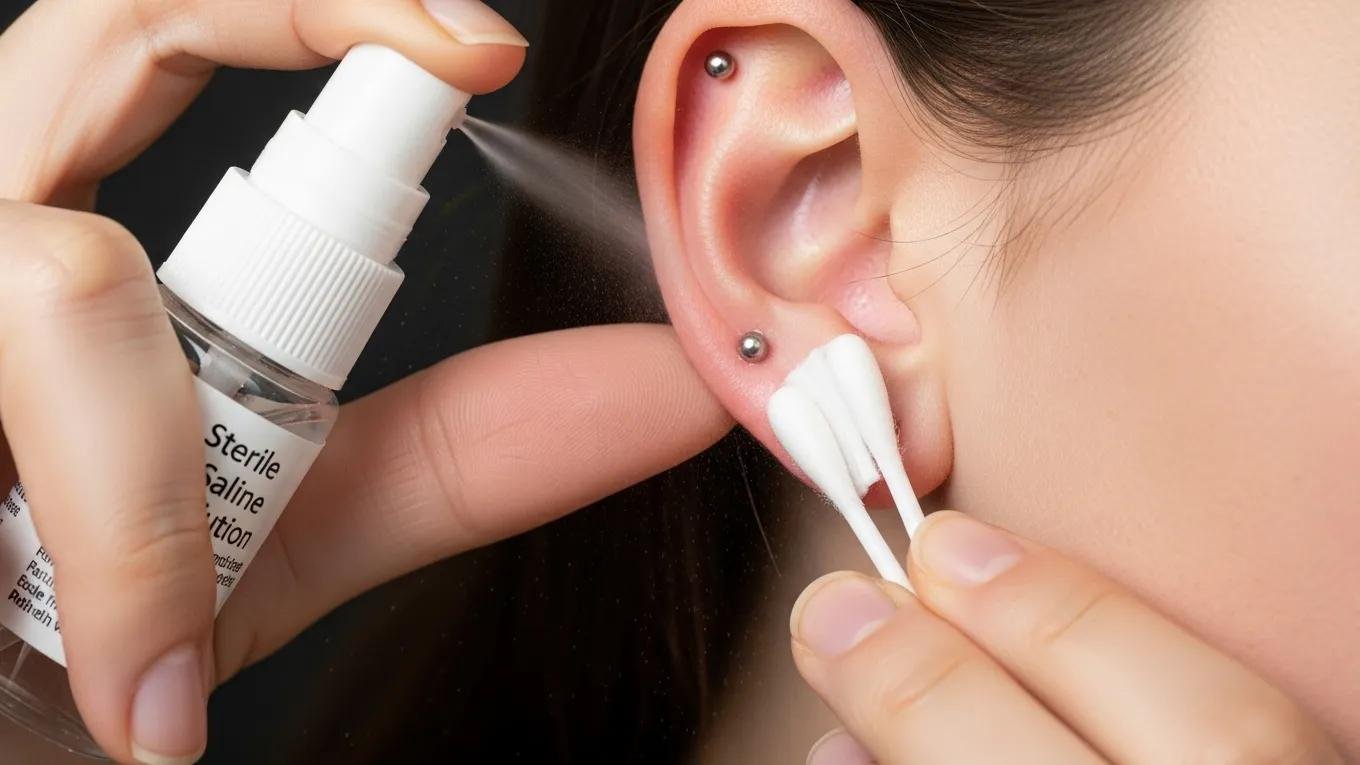
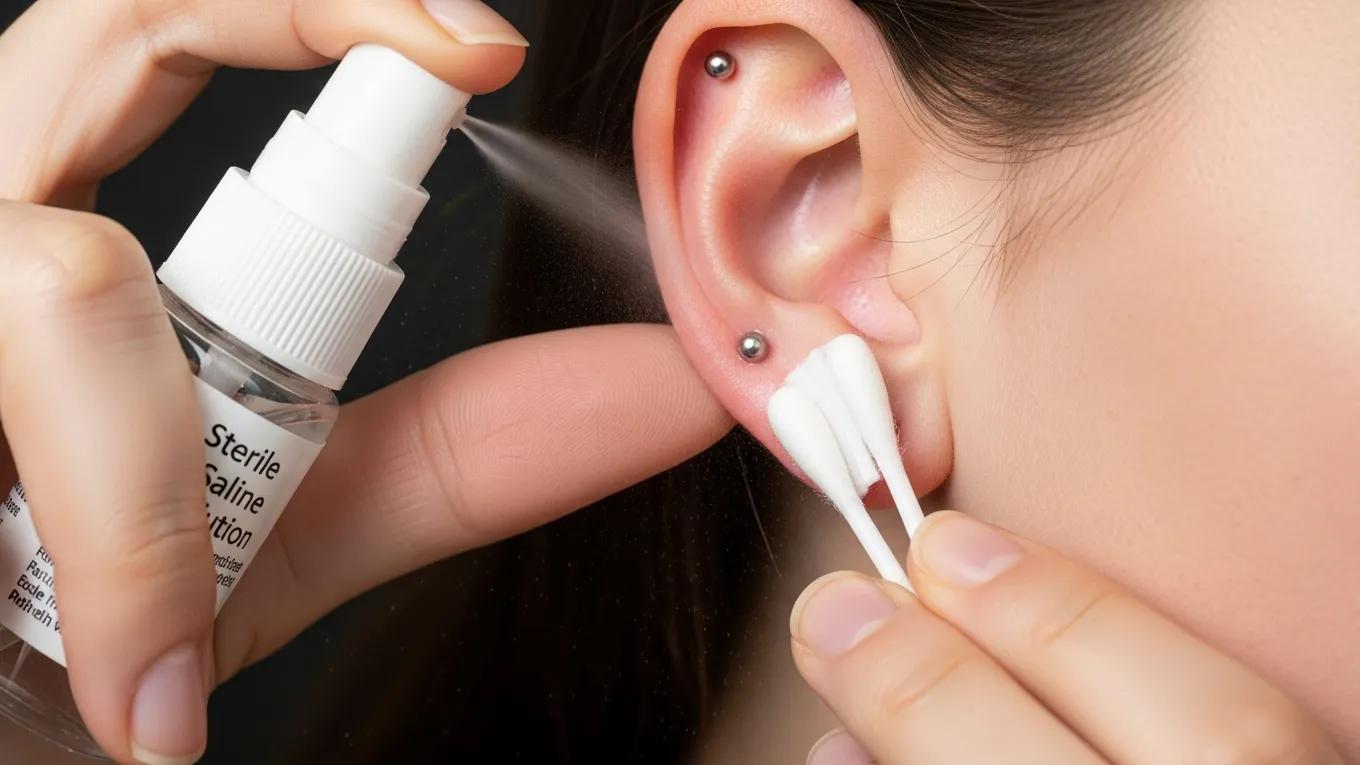
- Follow Cleaning Frequency: Clean your piercing at least twice a day with a saline solution to keep it free from dirt and bacteria.
- Avoid Common Mistakes: Do not twist or turn the jewelry, as this can irritate the piercing and delay healing.
How to Clean a New Piercing Safely and Effectively
Cleaning a new piercing requires specific steps to maintain safety and effectiveness. First, wash hands thoroughly with soap and water. Soak a sterile cotton ball or pad in saline solution and gently cleanse the area surrounding the piercing. Do not use harsh chemicals or alcohol, as these agents can irritate tissue and prolong healing. Rinse with clean water and pat dry with a clean towel. These steps remove debris and support a healthy healing environment.
Which Piercing Cleaning Solutions Are Recommended by Professionals?
Practitioners typically recommend saline solution or specialised piercing aftercare sprays for cleaning new piercings. Saline is gentle and effective, maintaining cleanliness without causing undue irritation. Some practitioners also advise dilute witch hazel or tea tree oil for their natural antibacterial properties. Consult your piercer for recommendations tailored to the specific piercing.
How Does Piercing Healing Time Vary by Piercing Type?

Healing times vary considerably by piercing type and individual factors. Understanding these differences is necessary to set realistic expectations and to apply appropriate care.
What Are Typical Healing Timelines for Common Piercings?
- Ear Piercing: 6-8 weeks
- Nose Piercing: 2-4 months
- Body Piercing: 6-12 months
How Do Local Factors in Denver Affect Piercing Healing?
Denver’s elevation produces drier ambient air, which can increase skin dryness and potentially slow healing. Seasonal variations in humidity also influence healing rates. Maintaining adequate hydration and using moisturizers can mitigate these environmental effects.
What Are the Key Methods for Piercing Infection Prevention?

- Practice Good Hygiene: Always wash your hands before touching your piercing.
- Avoid Swimming: Stay away from pools, hot tubs, and lakes until your piercing is fully healed.
- Monitor for Signs of Infection: Be vigilant for symptoms such as redness, swelling, or discharge.
Which Signs Indicate Possible Piercing Infections?
- Redness and Swelling: Increased redness around the piercing site can signal inflammation.
- Pus or Discharge: Any unusual discharge, especially if it is yellow or green, may indicate an infection.
- Increased Pain: If the piercing becomes increasingly painful, it may be a sign of infection.
How Can Clients Minimize Infection Risks During Healing?
Clients should avoid touching piercings with unwashed hands and should not change jewelry until the piercing has fully healed. Wear loose clothing to reduce friction and irritation around the site. If signs of infection appear, consult a professional piercer or a healthcare provider promptly.
Maintaining proper hygiene and adhering to recommended aftercare regimens are essential to prevent common complications such as localized infections.
Piercing Complications: Hygiene & Aftercare for Infection Prevention
Complications depend on piercing site, materials used, practitioner experience, hygiene practices, and aftercare by the recipient. Localized infections are common.
Body piercing: complications and prevention of health risks, 2012
Which Aftercare Products Are Best Suited for Piercing Maintenance?
- Saline Solution: A gentle saline solution is ideal for cleaning new piercings.
- Hypoallergenic Jewelry: Opt for jewelry made from materials like titanium or surgical steel to reduce the risk of allergic reactions.
- Aftercare Sprays: Specialized aftercare sprays can provide additional protection and promote healing.
What Are the Benefits of Hypoallergenic Jewelry in Aftercare?
Hypoallergenic jewelry reduces the likelihood of allergic reactions and is appropriate for new piercings. These materials are less prone to cause irritation or inflammation during healing and typically offer greater comfort, which facilitates a smoother recovery.
How to Choose Safe and Effective Cleaning Products for Piercings
Select cleaning products specifically formulated for piercing aftercare. Avoid preparations that contain alcohol, hydrogen peroxide, or fragrances, as these may irritate tissue. Read product labels and consult your piercer for recommendations on safe and effective options.
How Can Denver Clients Access Professional Piercing Aftercare Support?
Professional aftercare support is essential to achieve optimal healing outcomes. Stay Local Tattoo and Piercing provides expert guidance and services to support clients during the aftercare period.
What Role Do Stay Local Tattoo and Piercing Artists Play in Aftercare?
The artists at Stay Local Tattoo and Piercing provide personalized aftercare instructions tailored to each client. They advise on cleaning techniques, product selection, and clinical signs to monitor during healing. Follow-up consultations are available to address any subsequent concerns.
How to Book Expert Piercing Consultations and Follow-Up Appointments
To book a consultation or follow-up appointment at Stay Local Tattoo and Piercing, visit the studio at 3865 Wadsworth Blvd, Wheat Ridge, CO 80033, or call (720) 242-9615. Walk-in availability may be offered for clients requiring immediate assistance.
Frequently Asked Questions
What should I avoid doing during the healing process of my piercing?
During healing, avoid actions that impede recovery. Do not touch the piercing with unwashed hands. Refrain from changing jewelry until the piercing has fully healed, as this can cause irritation and increase infection risk. Avoid swimming in pools, hot tubs, or natural bodies of water, which may expose the site to bacteria.
How can I tell if my piercing is healing properly?
Monitor the piercing for signs of appropriate healing: minimal residual redness or swelling, absence of unusual discharge, and gradually decreasing tenderness. If the site appears clean and shows no indications of infection, such as purulent discharge or escalating pain, healing is likely progressing. Consistent adherence to the aftercare regimen supports recovery.
Are there any dietary recommendations to support piercing healing?
A balanced diet supports tissue repair. Consume foods rich in vitamin C, zinc, and protein to promote skin health and healing. Maintain adequate hydration to preserve skin elasticity. Limit excessive alcohol and sugar, which can impair immune function and delay recovery.
What should I do if I notice an allergic reaction to my jewelry?
If an allergic reaction to jewelry is suspected, remove the item and consult a professional piercer or a healthcare provider. Symptoms may include redness, itching, or swelling at the site. Transitioning to hypoallergenic materials such as titanium or surgical steel can alleviate symptoms. Ensure any replacement jewelry is suitable for sensitive skin.
How can I manage discomfort during the healing process?
Manage discomfort by applying a cold compress to reduce swelling and by using over-the-counter analgesics such as ibuprofen or acetaminophen as directed. Maintain the prescribed aftercare routine to prevent irritation. If pain persists or worsens, consult the piercer or a healthcare professional.
What are the risks of not following aftercare instructions?
Failure to follow aftercare instructions can result in complications including infection, extended healing periods, and scarring. Bacterial invasion of the site may produce redness, swelling, and discharge. Inappropriate care can also contribute to keloid or hypertrophic scar formation. Adherence to aftercare guidelines reduces these risks.
Conclusion
Appropriate aftercare is essential to ensure healing and to prevent complications related to piercings. By following recommended hygiene practices and using suitable products, clients can improve healing outcomes. For personalised guidance and support, contact the professionals at Stay Local Tattoo and Piercing. Review available services to support optimal healing.

Post a comment