



Ensure Safe and Hygienic Tattoos: Top Tips for You
Top Tips for Ensuring Your Tattoo or Piercing Is Safe and Hygienic: Expert Guidance for Infection Prevention and Aftercare

By Ben Gunn, Stay Local Tattoo and Piercing
Safety and hygiene are the primary considerations when planning a tattoo or piercing. Adherence to established best practices for a sterile environment substantially reduces the risk of infection and procedural complications. This article summarises criteria for selecting a reputable studio, the hygiene standards to expect, common sterilization practices, practical aftercare instructions, and indicators of infection. Follow these guidelines to protect your health and preserve the quality of your body art. The article also describes how Stay Local Tattoo and Piercing, a professional studio in Wheat Ridge, Colorado, implements these safety measures.
These precautions are critical; even minor lapses in hygiene can produce significant health risks.
Tattoo & Piercing Safety: Hygiene, Aftercare & Complications
All body-modifying procedures carry potential complications that depend on the conditions of performance, the practitioner’s training and skill, the materials employed, and the aftercare provided. Inadequate hygienic standards may produce localized infections and, in severe cases, life-threatening conditions or irreversible harm. Practitioners should be informed about sound hygienic practice and aware of possible complications arising from these procedures.
Procedure of tattooing, 1987
How to Choose a Safe and Professional Tattoo or Piercing Studio in Wheat Ridge and Denver Metro Area
Selecting a reputable tattoo or piercing studio is essential for your safety. Evaluate studios based on documented reviews and their standing within the local community. Assess the artists’ experience, as technical skill directly affects procedural quality. Inquire about the specific hygiene practices the studio follows to maintain a controlled environment.
Booking an appointment with Stay Local Tattoo and Piercing provides assurance in your choice. The studio’s artists are experienced and maintain safety and hygiene protocols for each procedure.
What Hygiene Standards Should You Expect from a Tattoo or Piercing Studio?

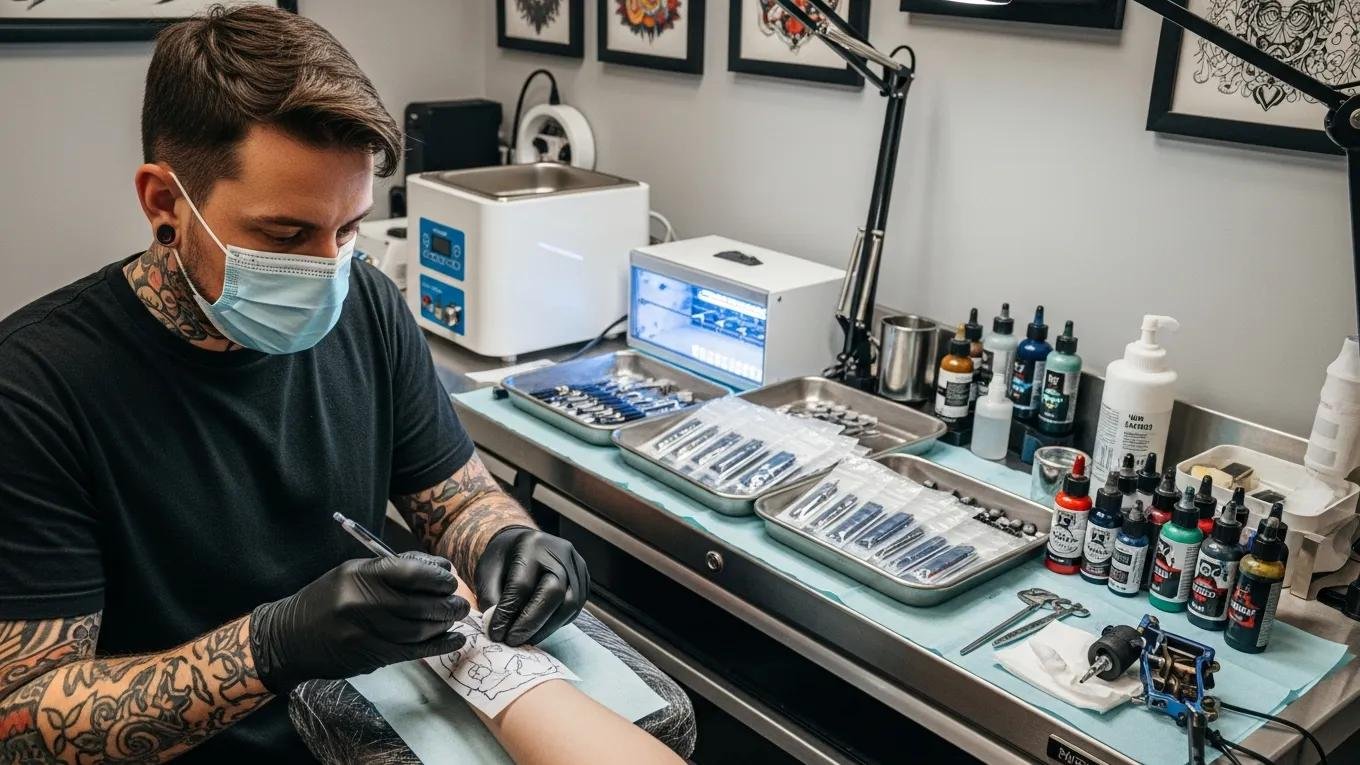
When attending a studio, expect strict hygiene controls. The facility should be clean and free from clutter and dust. Equipment must be sterile, and the establishment should comply with applicable health regulations to protect client safety.
Strict adherence to health regulations and sterilization procedures constitutes an essential element of public health protection within the body art industry.
Tattoo & Piercing Infection Control: Sterilization & Regulation
This study examined infection control and sterilization procedures for invasive services provided at Personal Service Establishments (PSEs) in British Columbia. The objective was to collect data on opinions regarding regulation and infection control practices among professionals working in tattooing, micro-blading, and permanent make-up.
The public health impact of infection control, sterilization and regulation in tattooing, 2017
How Does Stay Local Tattoo and Piercing Ensure Sterile and Safe Procedures?
Stay Local Tattoo and Piercing follows rigorous sterilization protocols to safeguard clients. The studio maintains a clean workspace and employs single-use disposable items where appropriate. The artists receive training in hygiene procedures to ensure each operation is executed with care.
What Are the Essential Sterilization and Equipment Safety Practices for Tattoos and Piercings?
Understanding sterilization procedures is essential to reduce infection risk during tattoos and piercings. The following practices indicate appropriate controls and instrument management.
- Types of Sterilization Techniques : Studios should use autoclaves to sterilize reusable equipment, ensuring that all tools are free from pathogens.
- Maintenance of Tools : Regular maintenance and inspection of equipment are necessary to ensure they remain in good condition and are safe to use.
- Safety Protocols : Artists should follow strict protocols, including wearing gloves and masks, to minimize the risk of contamination.
Which Sterilization Techniques Are Used to Prevent Infection?
Common sterilization approaches include autoclaving, which utilises high-pressure steam to inactivate bacteria and viruses. Chemical sterilants are employed for instruments that cannot tolerate heat. Each method is effective when applied correctly, and autoclaving is broadly regarded as the industry standard.
How Are Tattoo Needles and Piercing Tools Maintained for Safety?
Needles and piercing instruments require meticulous maintenance to ensure safety. This includes thorough cleaning after each use and storage in sterile conditions. Practitioners should replace disposable needles and single-use items consistently to eliminate contamination risk.
What Are the Best Aftercare Instructions to Maintain Tattoo and Piercing Hygiene?

Aftercare is a critical component of the healing process for tattoos and piercings. Appropriate care prevents infection and preserves the appearance of the body art. The following practices constitute recommended aftercare.
- Proper Care Techniques : Clean the area gently with mild soap and water, avoiding harsh chemicals.
- Recommended Products : Use fragrance-free moisturizers to keep the area hydrated without causing irritation.
- Healing Timeframes : Be aware that tattoos typically take 2-3 weeks to heal, while piercings may take 6-8 weeks, depending on the location.
How Should You Properly Care for a New Tattoo to Prevent Infection?
For a new tattoo, keep the area covered for the initial hours, then wash gently with mild soap and water. Apply a thin layer of moisturizer to maintain hydration. Avoid prolonged soaking and do not expose the tattoo to direct sunlight until healing is complete.
What Are the Recommended Piercing Aftercare Steps for Safe Healing?
For piercings, clean the site with a saline solution twice daily. Do not touch the piercing with unclean hands and avoid changing jewellery until the piercing has fully healed. Monitor the area for any signs of infection throughout the healing period.
How Can You Recognize Signs of Infection and When Should You Seek Professional Help?
Early recognition of infection indicators reduces the likelihood of serious complications. Typical signs include persistent redness, swelling, and abnormal discharge. Seek medical evaluation promptly if severe pain or fever occurs.
What Are Common Symptoms Indicating Tattoo or Piercing Infection?
Common indicators of infection include the following:
- Redness and Swelling : Increased redness around the tattoo or piercing site.
- Pus or Discharge : Any unusual discharge that is not clear or blood-tinged.
- Increased Pain : Pain that worsens over time rather than improving.
When Is It Necessary to Consult a Medical Professional?
If you observe severe or persistent symptoms—such as ongoing swelling, fever, or escalating pain—seek medical attention. Early clinical assessment can prevent progression and support appropriate treatment.
Why Is Booking with Experienced Artists Important for Tattoo and Piercing Safety?
Engaging experienced artists is essential to ensure both procedural quality and safety. Seasoned professionals understand and implement required hygiene controls and sterilization procedures to protect clients.
How Do Professional Artists Follow Sterilization Protocols?
Professional practitioners receive training in current sterilization methods and comply with industry standards. They update their practices to reflect evidence-based guidance and to maintain client safety and satisfaction.
What Role Does Artist Expertise Play in Safe Tattoo and Piercing Procedures?
The artist’s expertise materially influences the outcome of a tattoo or piercing. Competent artists produce high-quality results and prioritise safety, ensuring procedures are executed with precision. For a safe and hygienic experience, consider booking with experienced artists at Stay Local Tattoo and Piercing.
The effectiveness of these safety measures is supported by comprehensive regulations and licensing requirements for practitioners and establishments.
Tattoo & Piercing Regulations: Licensing & Infection Prevention
Five health policy items were evaluated: 1) tattoo artists should be licensed, 2) tattoo artists require training on bloodborne pathogens and communicable diseases, 3) tattoo regulations contribute to prevention of infectious diseases, 4) tattoo laws and regulations are enforced in the respondent’s area, and 5) tattoo establishments should be licensed.
Evaluation of tattoo artists’ perceptions of tattoo regulations in the United States, 2016
Frequently Asked Questions
What should I look for in a tattoo or piercing artist’s qualifications?
When evaluating an artist, verify formal training and relevant certifications in hygiene and safety. Review their portfolio to assess technical skill and artistic suitability. A reputable artist should demonstrate knowledge of infection prevention and provide clear aftercare guidance tailored to your needs.
How can I prepare for my tattoo or piercing appointment?
Prepare by ensuring you are rested and hydrated prior to the session. Avoid alcohol and blood-thinning medications that may increase bleeding. Eat a light meal to maintain energy. Wear clothing that permits access to the treatment area and prepare any questions for the artist.
What are the risks associated with tattoos and piercings?
Tattoos and piercings performed by professionals are generally safe but carry risks such as allergic reactions to inks or metals, infection, and scarring. Inadequate aftercare can prolong healing or contribute to keloid formation. Follow aftercare instructions and consult a healthcare professional if atypical symptoms arise.
Can I get a tattoo or piercing if I have a medical condition?
If you have a medical condition, consult your healthcare provider before obtaining a tattoo or piercing. Conditions such as diabetes, autoimmune disorders, or skin sensitivities can affect healing and increase complication risk. Inform your artist of any medical issues so appropriate precautions can be taken.
What should I do if I notice signs of infection after my tattoo or piercing?
If signs of infection appear—such as increased redness, swelling, pus, or severe pain—clean the area gently with mild soap and water and avoid touching it with unclean hands. If symptoms persist or worsen, seek medical attention promptly. Inform your artist of any post-procedure concerns.
How long does it take for tattoos and piercings to heal?
Healing times vary by individual and location. Tattoos commonly require approximately 2–3 weeks to heal; piercings often take 6–8 weeks or longer depending on placement. Comply with aftercare instructions to support healing and avoid premature jewellery changes or exposure to irritants.
Conclusion
Ensuring the hygiene and safety of your tattoo or piercing is fundamental to achieving a positive outcome and long-term health. Adherence to expert recommendations on studio selection, sterilization, and aftercare substantially reduces the likelihood of complications. Relying on experienced artists, such as those at Stay Local Tattoo and Piercing, supports compliance with high safety standards. Proceed by booking an appointment when you are ready.

Post a comment