



How to Care for Your Piercings in Denver
How to Care for Your Piercings in Denver: Expert Piercing Aftercare Tips and Professional Guidance

By Ben Gunn, Stay Local Tattoo and Piercing
Proper care of new piercings is essential to support optimal healing and to reduce the risk of complications. Given Denver’s typically dry climate, adherence to evidence-based aftercare practices is especially important. This article provides actionable guidance on cleaning protocols, expected healing intervals, and common complications to monitor. It also outlines the advantages of professional piercing services and criteria for selecting jewellery suitable for sensitive skin. Adherence to these recommendations will help minimise infection and irritation during the healing period.
What Are the Essential Piercing Aftercare Tips for Optimal Healing in Denver?
Effective aftercare requires consistent practice: regular, appropriate cleaning; the use of recommended solutions; and management of environmental factors. Denver’s low humidity can impair the healing process, which increases the importance of following established aftercare procedures.
How Often Should You Clean Your New Piercing?
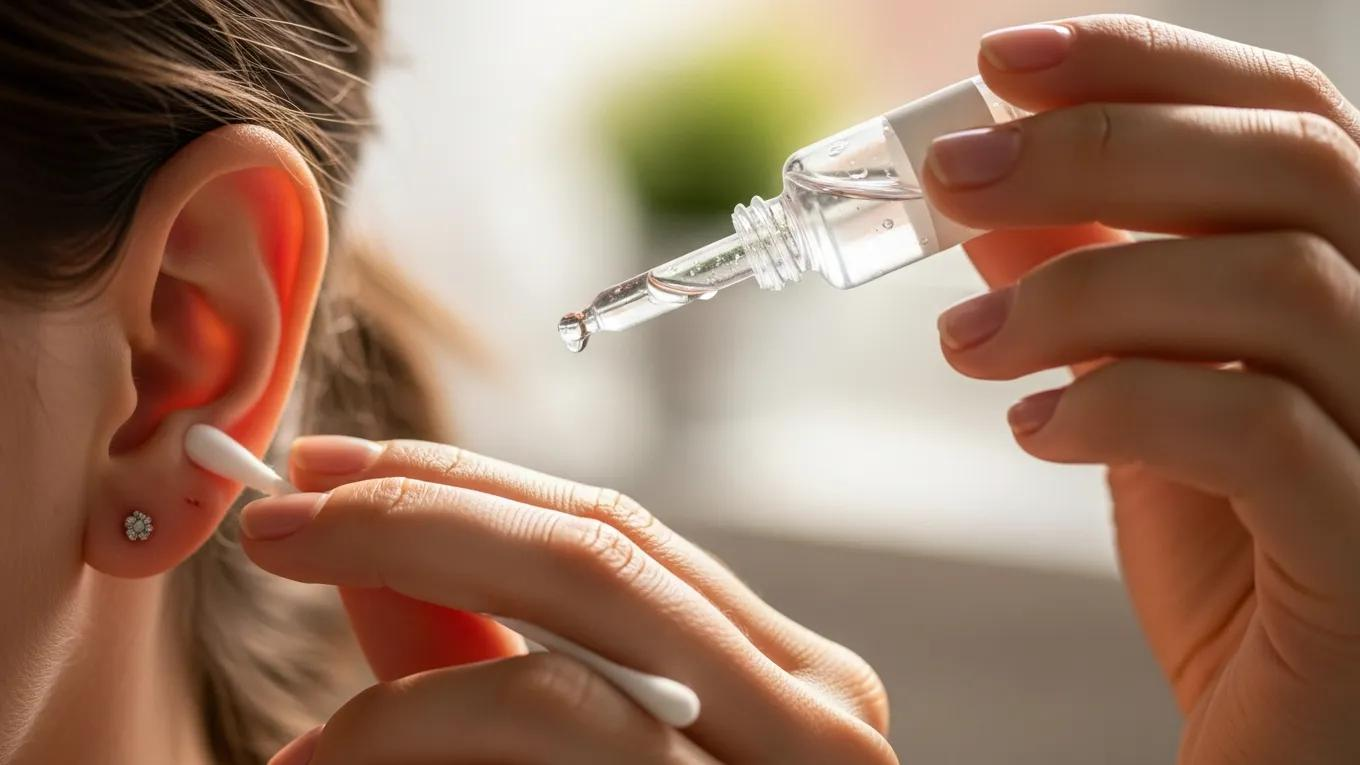
Routine cleaning prevents contamination and promotes healing. Clean the piercing approximately twice daily during the initial weeks using sterile saline or a mild, fragrance-free cleanser. Avoid excessive cleaning, as repeated disruption can cause dryness and irritation; indicators of over-cleaning include persistent redness or heightened sensitivity at the site.
Which Piercing Cleaning Solutions Are Recommended by Professionals?
Industry professionals typically recommend isotonic saline or purpose-formulated piercing aftercare products. These options cleanse without stripping essential moisture. Avoid alcohol-based or harsh antiseptic solutions, which can desiccate tissue and delay recovery. Consult your piercer for product recommendations tailored to the specific piercing.
What Is the Typical Healing Time for Different Types of Piercings?
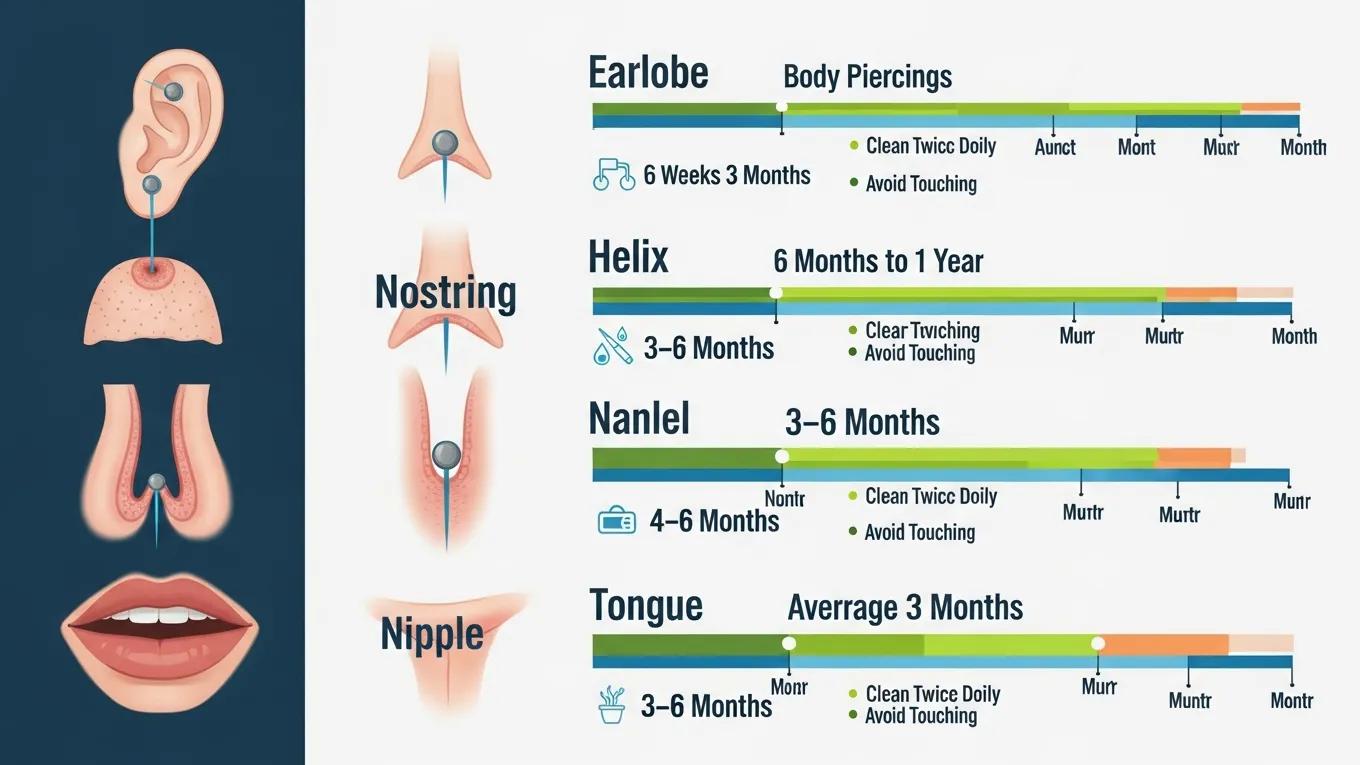
Healing durations vary by anatomical location and individual factors. Understanding typical timelines supports appropriate expectations and care planning.
How Does Healing Time Vary by Piercing Location?
Earlobe piercings generally achieve primary healing within six to eight weeks; cartilage sites often require three to twelve months. Other body piercings may need eight weeks to several months. Healing is influenced by anatomical site, local tissue characteristics, and the recipient’s physiological response. Maintain patience and adhere to recommended aftercare until full recovery is confirmed.
What Are the Signs of Proper Healing Versus Infection?
A healing piercing typically presents minimal redness, slight swelling, and absence of purulent discharge. Indicators of infection include escalating redness, increasing swelling, persistent pain, and the presence of pus. Should these signs occur, obtain professional assessment promptly to mitigate further complications.
How Can You Prevent and Address Common Piercing Issues in Denver’s Climate?
The arid conditions common in Denver can exacerbate irritation and dryness at piercing sites. Anticipating these effects enables targeted measures to support healing and reduce adverse outcomes.
What Are the Symptoms of Piercing Infection to Watch For?
Typical symptoms of infection include ongoing redness, progressive swelling, and discharge that may emit an unpleasant odour. On observing these signs, consult a qualified piercer or healthcare provider to evaluate treatment options.
Awareness of potential complications is a necessary component of responsible aftercare, as body piercings can present a range of health risks if not managed appropriately.
Preventing Piercing Complications & Health Risks
Complications associated with body piercing depend on the site pierced, the materials employed, the practitioner’s experience, the hygiene protocols observed, and the recipient’s aftercare. Localised infections are common; systemic infections such as viral hepatitis and toxic shock syndrome, and distant infections including endocarditis and brain abscesses, have been reported. Additional complications include allergic contact dermatitis (for example from nickel or latex), bleeding, scarring and keloid formation, nerve injury, and interference with medical procedures such as intubation and blood or organ donation.
Body piercing: complications and prevention of health risks, 2012
How Does Denver’s Environment Affect Piercing Aftercare?
Low ambient humidity can increase tissue desiccation and irritation. To mitigate these effects, apply a suitable, non-comedogenic moisturiser to the surrounding skin as recommended, avoid exposure to harsh chemicals, and maintain adequate hydration. Also limit exposure to airborne irritants such as dust and pollen during the healing phase.
Why Choose Professional Piercing Services and Aftercare Support in Denver?
Selecting a professional piercing provider ensures access to trained practitioners who apply sterile techniques and informed aftercare guidance. Professional standards reduce the incidence of preventable complications and support predictable healing outcomes.
Empirical studies reinforce the role of professional standards in promoting safe piercing practices and effective aftercare.
Professional Piercing Aftercare & Safety Guidelines
The referenced study examined the information available on studio websites regarding cleanliness, safety measures, potential complications of body piercings, the professional experience and affiliations of body piercers, recommended aftercare, resources on body modification, and the procedures offered by studios.
A Content Analysis of On-Line Information on Body Piercing and Body Modification, 2008
What Are the Benefits of Booking with Stay Local Tattoo and Piercing ?
Stay Local Tattoo and Piercing operates in the Denver metropolitan area and specialises in custom tattoos and professional piercing services. Their practitioners provide tailored aftercare instructions aligned with individual needs, and their adherence to hygiene and safety protocols reduces the likelihood of complications during and after the procedure.
How Do Expert Piercers Customize Aftercare Advice?
Expert piercers evaluate factors such as skin phenotype, anatomical location of the piercing, and the client’s lifestyle when formulating aftercare recommendations. This personalised approach supports optimal healing, reduces complication risk, and facilitates a more efficient recovery.
Which Piercing Jewelry Materials Are Best for Sensitive Skin and Healing?

Selection of appropriate jewellery material is a key determinant of comfort and tissue compatibility. Certain metals and alloys are better tolerated by individuals with sensitivities and can lower the probability of allergic response.
What Are Hypoallergenic Jewelry Options Recommended by Experts?
Hypoallergenic options commonly recommended for new piercings include titanium, surgical-grade stainless steel, and niobium. These materials exhibit a lower incidence of allergic reaction and are generally suitable for the majority of recipients. Confirm selection with your piercer to ensure compatibility with your specific needs.
How Does Jewelry Material Impact Healing and Infection Risk?
Jewellery composition influences tissue response and infection susceptibility. High-quality, biocompatible materials reduce irritation and microbial adherence, whereas lower-quality alloys may increase the likelihood of adverse reactions. Investing in appropriate jewellery supports a favourable healing trajectory.
Frequently Asked Questions
What Should You Avoid After Getting a New Piercing?
After receiving a new piercing, avoid manipulating the jewellery, which can introduce contaminants. Do not use alcohol-based products that desiccate tissue. Refrain from swimming in pools, hot tubs, or natural bodies of water for a minimum of four to six weeks to limit exposure to pathogens. Also avoid tight clothing or accessories that may abrade the piercing site.
How Can You Manage Pain or Discomfort from a New Piercing?
Mild pain and discomfort are common following a piercing. Apply a cold compress to reduce swelling and provide symptomatic relief. Oral analgesics such as ibuprofen or acetaminophen may be used according to product guidance. Do not apply topical anaesthetics or creams without professional consultation, as such products can interfere with the healing process. If pain persists or intensifies, seek evaluation from your piercer or a healthcare professional.
What Are the Best Practices for Changing Piercing Jewelry?
Replace jewellery only after complete healing, which can range from several weeks to multiple months depending on the site. When changing jewellery, ensure hands and instruments are thoroughly cleaned and select high-quality, hypoallergenic pieces to minimise irritation. If timing or technique is uncertain, request assistance from your piercer.
How Can You Tell If Your Piercing Is Healing Properly?
Monitor the site for expected signs of recovery: modest redness, slight swelling, and the absence of purulent discharge. Tenderness should diminish progressively. An increase in redness, swelling, or the presence of pus may indicate infection. Adhere to cleaning protocols and consult your piercer if concerns arise.
What Should You Do If You Experience an Allergic Reaction to Piercing Jewelry?
If an allergic reaction is suspected—manifesting as pronounced redness, pruritus, or swelling—remove the jewellery and consult a healthcare professional. Identify the causative material; common allergens include nickel and certain alloys. Transitioning to hypoallergenic materials such as titanium or surgical stainless steel can prevent recurrence. Maintain cleanliness and monitor for infection while the site heals without the original jewellery.
Are There Specific Aftercare Products Recommended for Denver’s Climate?
In response to Denver’s arid conditions, select gentle, fragrance-free cleansers and saline solutions formulated for piercing aftercare. Use moisturisers that are safe for application adjacent to piercing sites to address dryness. Avoid products containing alcohol or abrasive chemicals. Seek piercer advice for product recommendations tailored to your piercing type.
Can You Swim with a New Piercing?
Avoid swimming in pools, lakes, or oceans for at least four to six weeks after receiving a new piercing, as water exposure can introduce bacteria and increase infection risk. If swimming is unavoidable, employ protective measures such as waterproof dressings to reduce contamination.
When Should You Seek Professional Help for Piercing Complications?
Seek professional attention if you observe signs of infection or other complications, including persistent or worsening pain, progressive swelling, or atypical discharge. Early assessment and intervention reduce the risk of more serious outcomes and support appropriate healing.
Conclusion
Consistent, evidence-informed aftercare is essential to achieve optimal healing of piercings, particularly within Denver’s distinct environmental context. Adhering to professional guidance and selecting high-quality jewellery will minimise complication risk and support satisfactory outcomes. For tailored advice and professional services, consider consulting Stay Local Tattoo and Piercing and review their service offerings to determine the most appropriate next steps for your piercing needs.

Post a comment