



5 Essential Tips to Ensure Safety and Hygiene in Body Piercing Services

Body piercing constitutes a widely practised form of body art that demands rigorous attention to safety and hygiene to prevent infection and to protect client outcomes. As individuals seek bespoke modifications, comprehension of the fundamental elements of safe practice is essential. This article outlines five key recommendations addressing sterilisation procedures, hygiene protocols, aftercare, infection prevention and the selection of experienced practitioners. Adherence to these measures enables both piercers and clients to maintain a controlled environment that supports successful healing and mitigates health risks. For a detailed example of professional standards, consult studios such as Stay Local Tattoo and Piercing.
Sterilization Practices

Proper sterilisation constitutes a foundational component of a safe piercing procedure. Sterilisation encompasses techniques designed to eliminate microorganisms and thereby reduce post‑procedural infection risk. Effective measures include the use of an autoclave, which employs high‑pressure steam to inactivate bacteria, viruses and fungi. Single‑use needles are essential and must be discarded after a single client to prevent cross‑contamination. Routine maintenance and validation of sterilisation equipment further ensure that instruments meet established health standards.
Hygiene Standards
Strict hygiene standards are imperative within a piercing studio. The cleanliness of the environment and adherence to continuous sanitation protocols directly influence client safety and institutional credibility. Practitioners must employ appropriate personal protective equipment, including gloves and masks, to reduce contamination risk during procedures. Equipment and work surfaces should be disinfected between clients, and waste materials disposed of in accordance with regulatory guidance. Prioritising these standards creates a safer experience and reinforces professional practice.
Aftercare Instructions
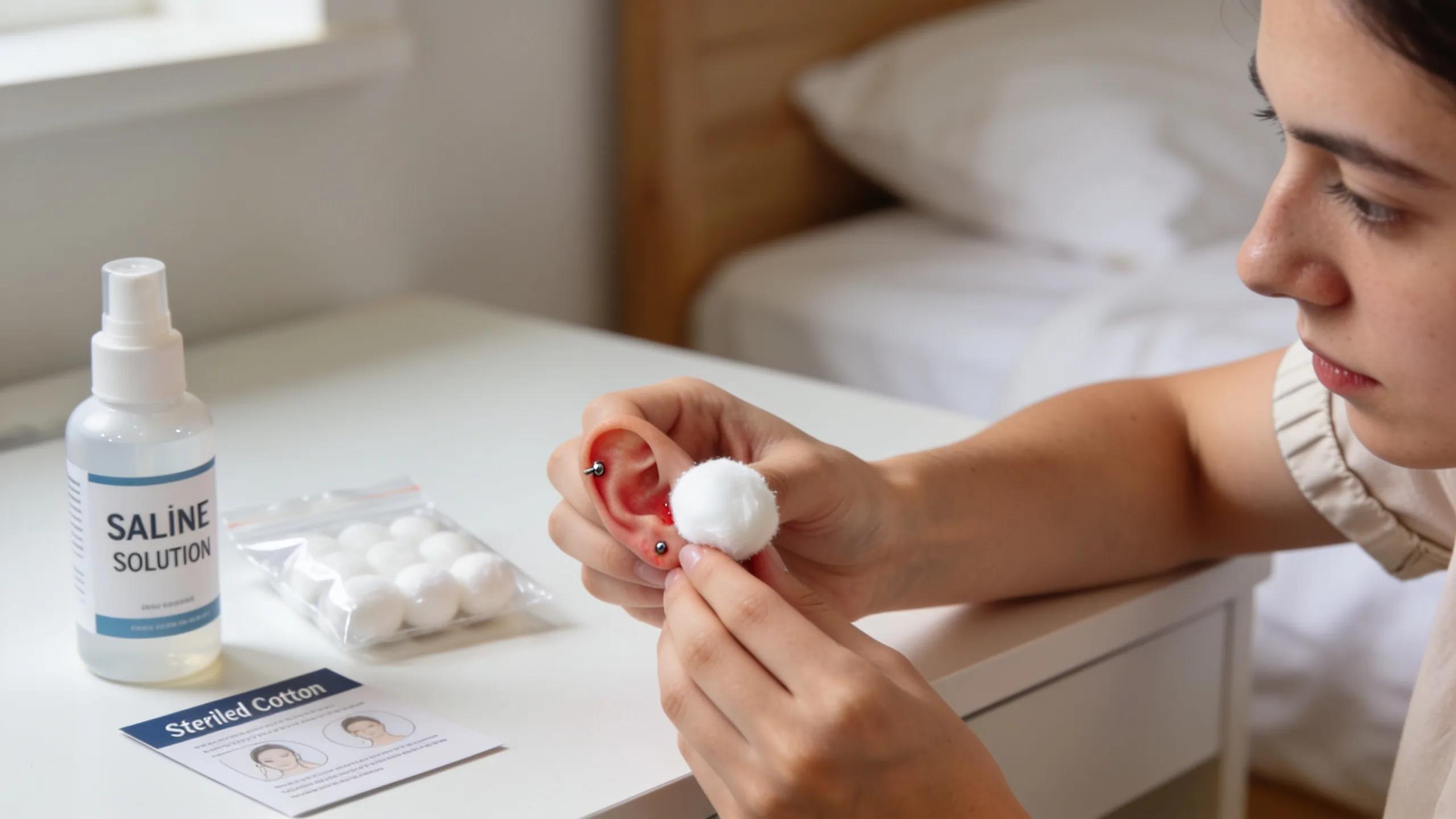
Aftercare substantially influences healing outcomes and must be communicated clearly to clients. Provide explicit guidance on daily cleansing routines, recommending saline solutions or approved aftercare products to limit infection risk. Clients should be informed of clinical indicators of infection, such as pronounced redness, swelling or purulent discharge. Guidance on jewellery changes is also necessary: clients typically should wait until a piercing has healed—commonly around 6–8 weeks for many locations—before fitting permanent jewellery. Clear aftercare instructions support optimal healing and long‑term results.
| Aftercare Product | Use | Recommended Frequency |
|---|---|---|
| Saline Solution | Clean piercing site | Once or twice daily |
| Antiseptic Spray | Disinfect jewelry and area | Before jewelry change |
| Moisturizing Balm | Promote healing | Daily until healed |
Establishing a consistent aftercare regimen not only supports physiological healing but also reinforces the hygiene standards expected of professional piercing services.
Infection Prevention Measures
Proactive infection prevention is essential for both practitioners and clients. Informing clients about potential infection risks enables informed consent and appropriate post‑procedure behaviour. Practitioners must be able to identify signs that necessitate medical evaluation, including persistent swelling or systemic symptoms such as fever. Routine measures—such as thorough hand washing prior to procedures and exclusive use of sterilised instruments—contribute materially to a safe clinical environment and reduce complication rates.
Engaging Experienced Artists
Selecting a qualified and experienced piercer is critical to ensuring procedural safety and adherence to hygiene protocols. Practitioners should hold relevant certifications and demonstrate ongoing professional development in infection control and technical methods. Skilled piercers deliver reliable technique, maintain rigorous standards and foster a culture of safety. Engaging experienced artists enhances client confidence and reduces the likelihood of adverse outcomes.
Engaging professional services like Stay Local Tattoo and Piercing, based in Wheat Ridge near Denver, provides access to expert care, customised designs and comprehensive hygiene protocols that reflect a commitment to client safety. With experienced practitioners, clients receive service delivered with technical competence and attention to health standards.
In summary, the adoption of these essential safety and hygiene practices for body piercing supports a responsible practice environment. From robust sterilisation practices to the selection of qualified professionals, informed and proactive adherence to hygiene measures facilitates successful and aesthetically satisfactory outcomes.
Frequently Asked Questions
What should I look for when choosing a body piercing studio?
When evaluating a piercing studio, prioritise observable cleanliness and documented hygiene practices. Seek facilities that maintain stringent sterilisation protocols, utilise disposable implements where appropriate and display certifications for their staff. Client reviews can provide corroborative evidence of consistent practice. A reputable studio will supply detailed aftercare instructions and answer procedural questions transparently.
Are there any specific risks associated with body piercings?
Body piercings entail risks including local infection, allergic reaction to jewellery materials and scarring. Infections commonly result from inadequate aftercare or lapses in hygiene during the procedure. Allergic responses may arise from metals such as nickel; therefore, selection of hypoallergenic materials such as titanium or surgical steel is advisable. Awareness of these risks permits appropriate precautionary choices.
How can I tell if my piercing is infected?
Indicators of infection include marked redness, heat, swelling and discharge that is yellow or green. Increased pain or tenderness and systemic signs such as fever warrant prompt assessment. Should these symptoms present, consult a healthcare professional without delay to prevent progression and to manage appropriate treatment.
Is it safe to change my jewelry before my piercing has fully healed?
Altering jewellery prior to complete healing increases the risk of irritation and infection. It is generally recommended to wait at least 6–8 weeks, depending on the piercing location and individual healing response, before replacing starter jewellery with a permanent piece. Consult your piercer for a recommendation tailored to your specific piercing.
What materials are best for body jewelry?
Choose materials with high biocompatibility to reduce the likelihood of allergic reaction and irritation. Medical‑grade options such as titanium, surgical steel and niobium are appropriate choices due to their durability and low reactivity. Avoid common allergens, including nickel and certain plastics, particularly for initial piercings. Discuss material selection with your practitioner to determine the most suitable option for your skin type and piercing site.
Can I participate in sports after getting a body piercing?
Participation in sports following a new piercing requires caution. Avoid activities that could cause direct trauma or excessive movement at the piercing site during the initial weeks of healing. Certain activities may be undertaken with protective measures to minimise risk. Discuss your planned activities with your piercer to obtain recommendations specific to the piercing location and your level of physical activity.
Conclusion
Implementing these evidence‑based recommendations for safety and hygiene cultivates a secure environment for both practitioners and clients. Emphasising rigorous sterilisation, strict hygiene standards and engagement with qualified professionals supports informed decision‑making in body art. For optimal results, select a reputable studio that prioritises health protocols and craftsmanship to ensure body modifications are performed safely and with aesthetic consideration.

Post a comment