




7 Essential Health and Safety Questions to Ask Your Tattoo Shop Before Getting Inked
Selecting a tattoo shop requires evaluation of both artistic capability and adherence to health standards. A tattoo procedure can have lasting physical consequences; therefore, methodical preparation is essential. This guide examines seven critical health and safety questions prospective clients should pose. Understanding these factors reduces the risk of complications and improves outcomes. The topics covered include licensing, practitioner hygiene, sterilization methods, aftercare guidance, and related considerations. These questions are intended to provide the information necessary to support a safe and satisfactory tattoo experience.
What Licensing and Certification Should a Reputable Tattoo Shop Have?
Licensing and certification serve as primary indicators of a shop’s compliance with health and safety requirements. Establishments should hold applicable local business licenses and conform to state or regional regulations governing tattoo practice. Staff should possess formal training in bloodborne pathogen prevention and sanitation protocols. A reputable facility will display relevant licenses and staff certifications as demonstrable evidence of regulatory adherence and client protection.
Tattoo Artist Licensing and Bloodborne Pathogen Training
Results: Five health-policy items were evaluated: 1) tattoo artists should be licensed; 2) tattoo artists require training on bloodborne pathogens and communicable diseases; 3) tattoo regulations assist in preventing infectious diseases; 4) tattoo laws and regulations are enforced in the area; and 5) tattoo establishments should be licensed. Of the six independent variables (hypothesis) tested, there wEvaluation of tattoo artists’ perceptions of tattoo regulations in the United States, 2016
Verification of an artist’s credentials is an essential component of assessing health compliance.
Clients should request to review an artist’s certifications and inquire about training specific to infectious disease prevention. Certifications commonly reference bloodborne pathogen instruction and sanitation practices. Observations of studio cleanliness and operational procedures provide practical evidence of the establishment’s commitment to health protocols.
How Can Clients Confirm the Cleanliness of Tattoo Tools and Environment?
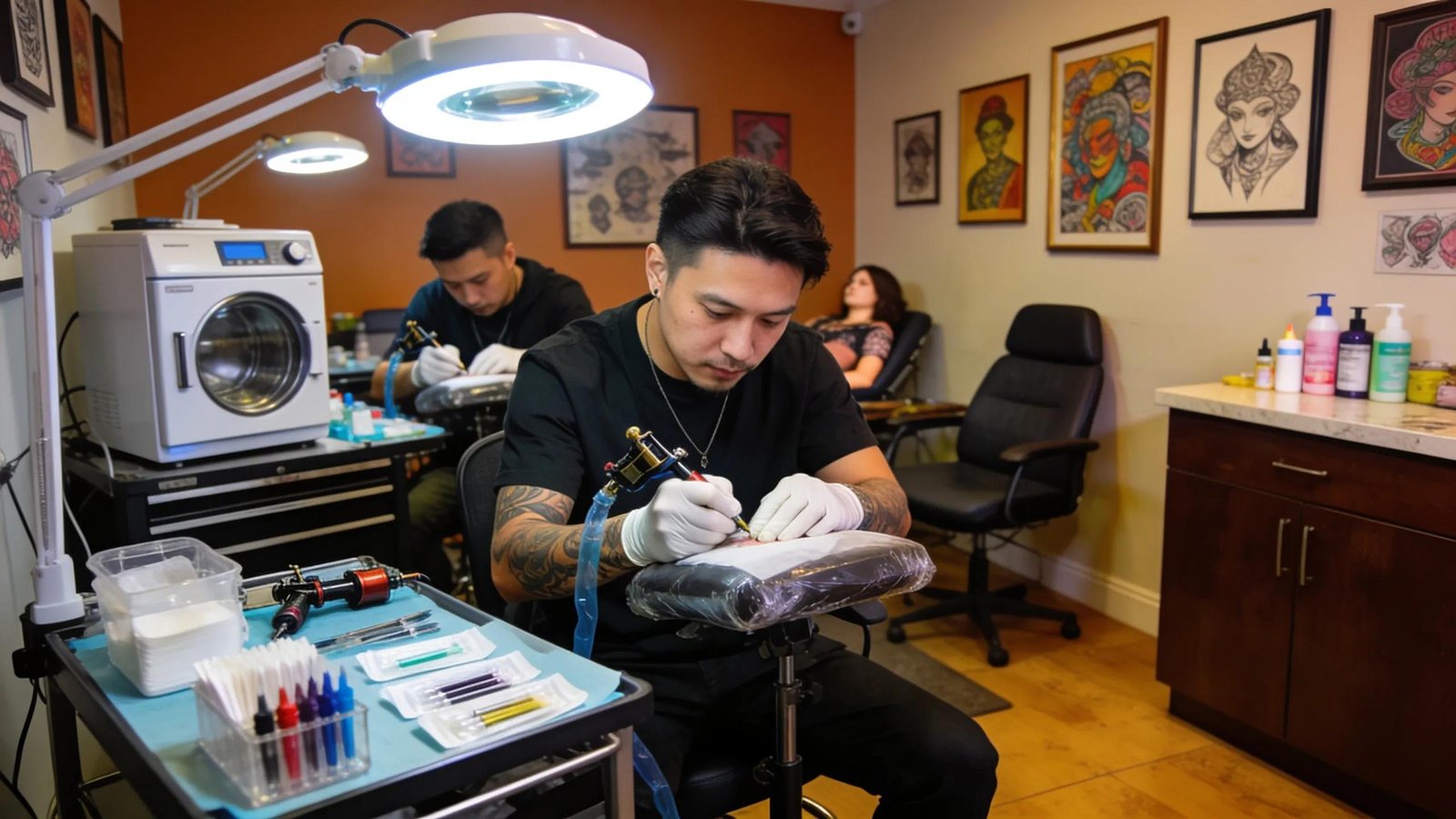
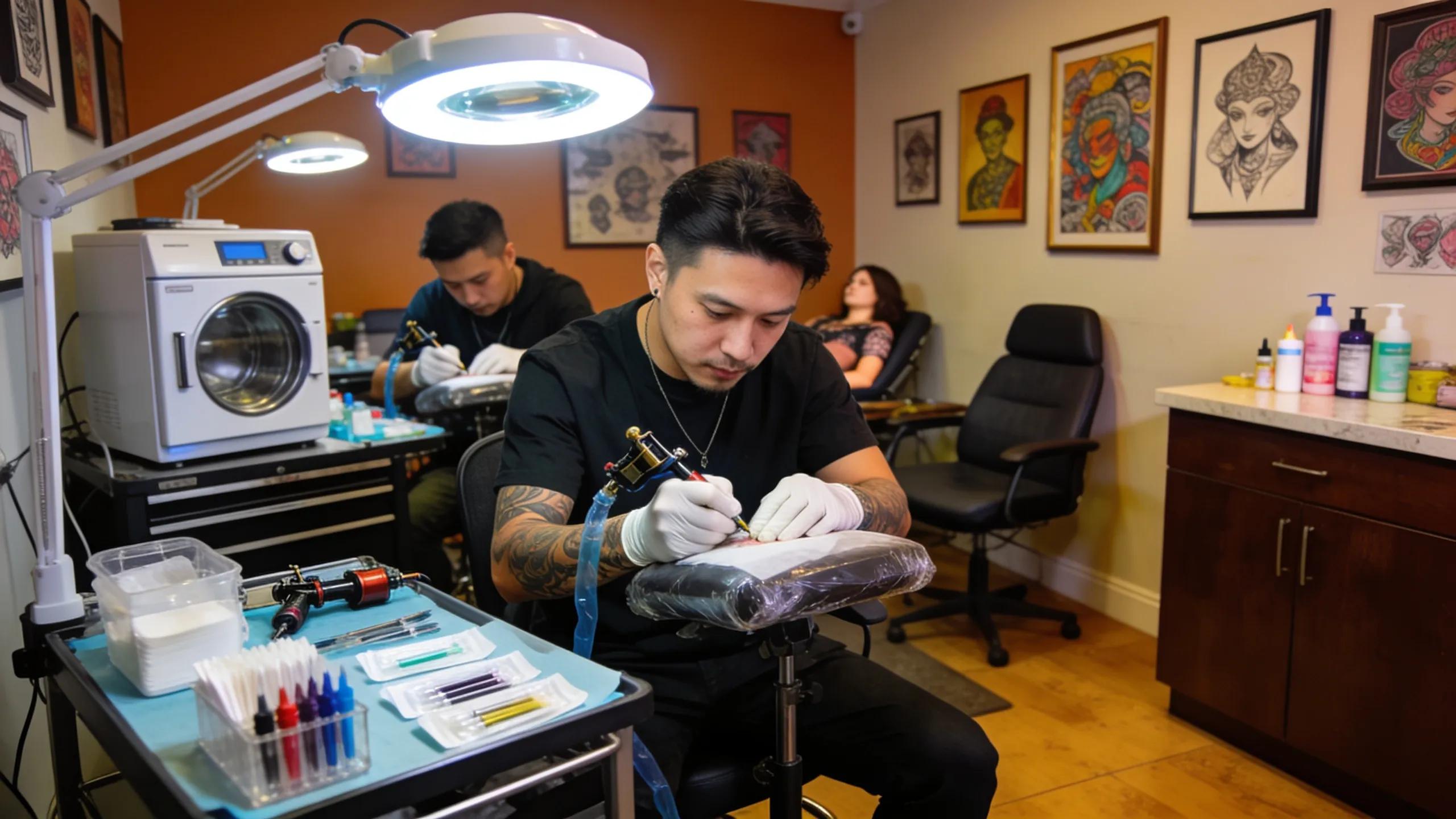
Clients should ask directly about sterilization procedures and whether the studio employs single-use needles and sterile disposables. Inspect the condition of workstations, waiting areas, and tool storage. Observing the artist’s preparation and handling practices prior to the session offers additional assurance regarding consistent hygiene standards.
Why Is Tattoo Parlor Licensing Critical for Client Safety?
Licensing ensures that establishments meet health standards established by local health authorities. Licensed shops are expected to adhere to sanitary regulations that mitigate infection risk and other health hazards. Trained professionals are better positioned to implement procedures that reduce procedural risk. Understanding the importance of tattoo parlor licensing enables clients to make informed decisions about where to receive a tattoo.
How Does the Tattoo Shop Maintain Sterilization and Equipment Safety?
Effective sterilization practices are fundamental to infection prevention. Proper studios will employ autoclaves for reusable instruments and will dispose of single-use items in accordance with established health guidance. Consistent sterilization and waste-management procedures indicate compliance with recognised safety standards.
What Sterilization Methods and Equipment Are Used to Prevent Infection?
Several sterilization methods and pieces of equipment contribute to a safe tattooing environment.
- Autoclaving: A process that uses high-pressure steam to kill bacteria, viruses, and spores on reusable tools.
- Ultrasonic cleaners: Devices that use sound waves to clean instruments and remove contaminants.
- Disinfectants: Chemical solutions applied to work surfaces and equipment between client sessions to maintain cleanliness.
Clients should inquire about these procedures and confirm that the facility adheres to recognised sterilization standards.
What Are the Tattoo Artist’s Hygiene and Sanitation Practices?

Practitioner hygiene is central to risk mitigation during tattoo procedures. Artists should wear gloves and masks and employ hair restraints where appropriate. They must follow rigorous sanitation protocols before and after each session, including cleaning work surfaces and instruments. These measures protect both client and practitioner and uphold professional safety standards.
Tattoo Safety: Hygiene, Complications, and Aftercare
All body-modifying procedures carry potential complications that depend on the conditions under which the procedures are performed, on the training and skill of the practitioner, on the materials employed, and on the aftercare. Inadequate hygienic standards can result in localized infections and, in severe instances, systemic or irreversible harm. Body-art practitioners should be informed about hygienic best practice and the potential complications that may arise. This chapter addresses requirements for a hygienic working environment and equipment, the management of a tattoo parlor including sterilization processes and waste disposal, and the step-by-step procedure of tattooing with preventive measures such as appropriate hand hygiene and aftercare instructions. Clients must be informed of procedural risks and must disclose relevant health conditions; assessment of client suitability and knowledge of contraindications are important aspects that are often neglected.Procedure of tattooing, 2018
Personal hygiene standards directly affect client safety during tattoo procedures.
Adherence to strict personal hygiene helps to prevent infection and to maintain client confidence. Practitioners should present a professional appearance and perform appropriate hand hygiene both before and after client contact. This discipline constitutes a fundamental aspect of reputable professional practice.
What Client Consultation and Consent Procedures Ensure Safety and Awareness?
The client consultation establishes mutual understanding and records medical history, design preferences, and specific concerns. It facilitates informed decision-making and should address procedural risks, technique options, and aftercare requirements. Consent forms ought to be comprehensive and clearly outline the process, potential risks, and post-procedure care.
How Is Client Consent Documented and What Questions Should Be Asked?
Consent documentation should record medical history and allergies and confirm the client’s informed acknowledgement of the procedure’s permanence and possible complications. A well-structured consent process enables the practitioner to evaluate suitability and ensures that the client has received and understood the relevant information prior to commencing the procedure.
What Aftercare Guidelines Does the Tattoo Shop Recommend to Prevent Infection?
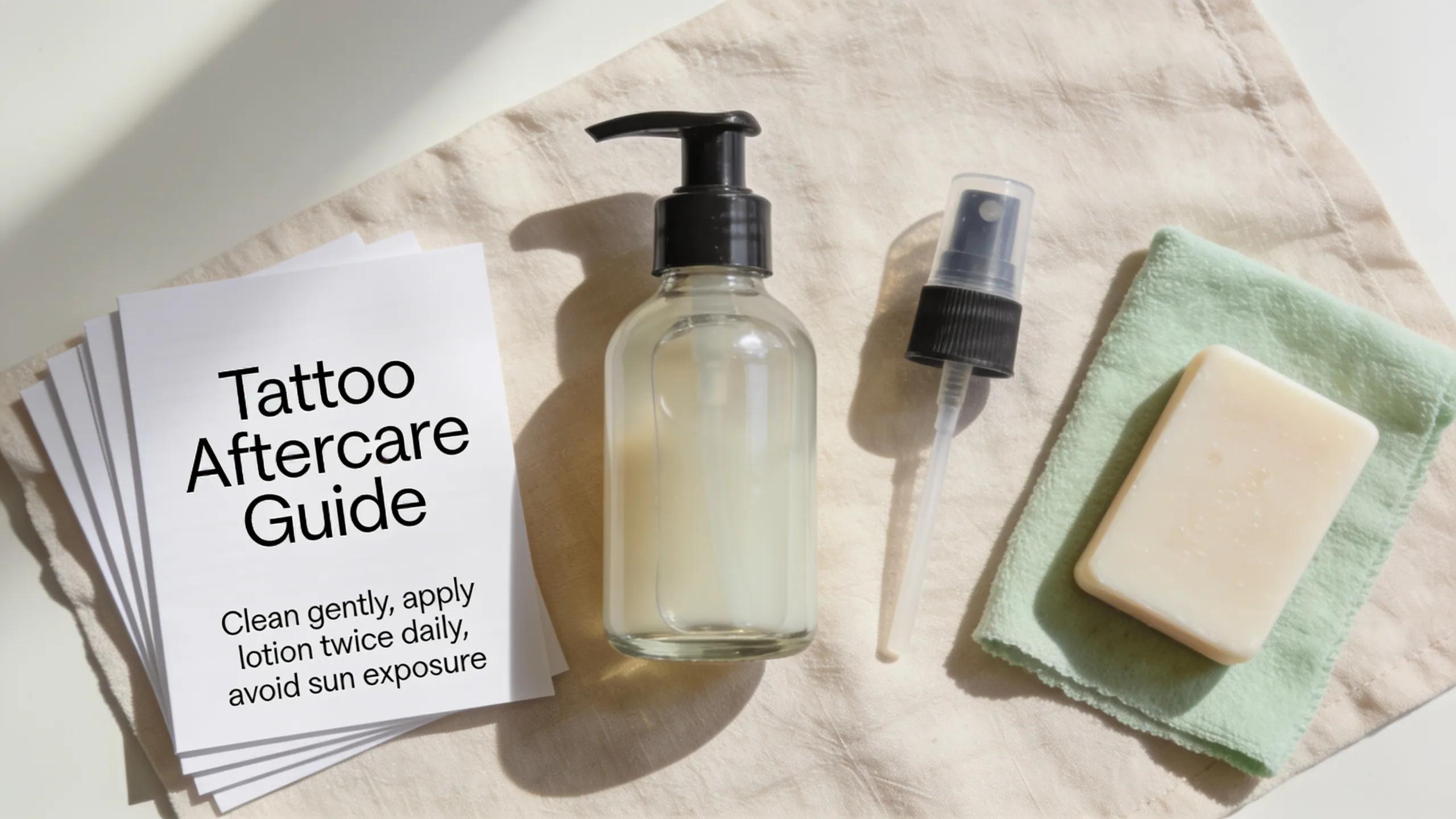
Aftercare is essential to achieving optimal healing. Shops should provide explicit instructions on cleansing, moisturizing, and protective measures to apply to the new tattoo. Clear guidance reduces infection risk and supports appropriate tissue recovery.
Which Aftercare Practices Are Vital for Healing and Hygiene?
Effective aftercare improves healing and reduces the risk of complications. Key practices include:
- Keeping the tattoo clean: Using mild soap to gently cleanse the area.
- Moisturizing: Applying a suitable ointment to promote healing and prevent dryness.
- Avoiding sun exposure: Shielding the tattoo from direct sunlight to preserve its quality.
Adherence to these practices supports efficient healing and helps to preserve the tattoo’s appearance.
How Does the Tattoo Shop Support Clients During the Aftercare Period?
Ongoing post-procedure support contributes to client confidence and successful healing. Tattoo studios should provide clear post-care instructions and maintain accessible channels for client enquiries regarding healing concerns. Such support facilitates timely intervention when issues arise and reinforces correct aftercare.
How Does the Tattoo Shop Manage Appointment Booking and Environment Safety?
Managing appointments and studio operations is essential to maintaining client safety. An effective booking system limits concurrent client presence and reduces congestion in waiting areas. Establishments should implement routine sanitation procedures to maintain hygiene and provide a safe environment for all clients.
What Measures Ensure a Safe and Hygienic Tattoo Studio Environment?
Maintain a safe studio environment through measures such as:
- Daily cleanings: Ensuring that all surfaces and tools are disinfected regularly.
- Proper ventilation: Maintaining airflow to minimize the risk of airborne contaminants.
- Client education: Providing information on hygiene best practices and the importance of personal responsibility during the tattoo process.
These measures demonstrate the industry’s commitment to health and safety and support client protection.
How Does Online Booking Facilitate Health Safety and Client Communication?
Online appointment systems enhance health safety and client communication by enabling electronic scheduling, which permits control over programme occupancy and streamlines logistical communication. Electronic booking assists in managing client flow while improving operational efficiency.
| Safety Measure | Description | Importance |
|---|---|---|
| Autoclaving | High-pressure steam sterilization of equipment | Kills pathogens, prevents infection |
| Regular surface cleaning | Frequent use of disinfectants on work areas | Maintains hygiene standards |
| Online appointment systems | Allows for controlled client flow | Reduces crowding and exposure risks |
These implementations exemplify a comprehensive approach to maintaining safe and welcoming tattoo environments. Their importance reflects the ongoing professional commitment within the industry to minimize risk.
Frequently Asked Questions
What should I look for in a tattoo shop’s health and safety practices?
When evaluating a tattoo shop, assess observable hygiene protocols and sterilization methods. Look for practitioners who use gloves and masks, employ single-use needles and sterile disposables, and utilize validated sterilization equipment such as autoclaves. Inspect the cleanliness of the workspace and request information about the shop’s health procedures; reputable facilities will provide transparent answers.
How can clients know if a tattoo shop is following local health regulations?
Clients can verify compliance by confirming that the shop displays appropriate licenses and staff certifications. Ask about the frequency of equipment sterilization, ongoing staff training, and operational procedures. Reviewing independent online feedback and seeking references from previous clients can further inform an assessment of regulatory adherence.
Are there specific questions I should ask my tattoo artist before my appointment?
Yes. Prior to an appointment, inquire about the artist’s qualifications, hygiene and sterilization practices, recommended aftercare, the types of ink used, and procedures for managing allergic reactions. These questions clarify safety measures and assist in evaluating the practitioner’s suitability for the requested work.
What signs indicate a tattoo artist is maintaining personal hygiene?
Indicators include a professional appearance, consistent use of gloves and masks during procedures, and observable handwashing before and after client contact. A tidy and orderly workspace further suggests adherence to appropriate hygiene standards.
Why is ongoing support important during the tattoo aftercare phase?
Ongoing support ensures proper healing and provides a mechanism for addressing concerns that may arise during recovery. Reputable studios supply detailed aftercare instructions and remain available to advise clients, which reduces complication risk and supports appropriate healing.
What role does consent documentation play in the tattoo process?
Consent documentation formalizes the client’s informed agreement and records relevant medical history and allergies. Comprehensive consent forms facilitate informed decision-making and provide legal and professional protection for both client and practitioner.
Conclusion
Enhancing safety and satisfaction requires informed decision-making and clear communication. Understanding practitioner credentials, hygiene practices, and aftercare equips clients to make responsible choices. Consult the comprehensive tattoo studio guides and resources available to support safe practice and favourable outcomes.

Post a comment