


Finding Your Perfect Tattoo Artist: Expert Tips to Match Your Vision and Artistic Preferences
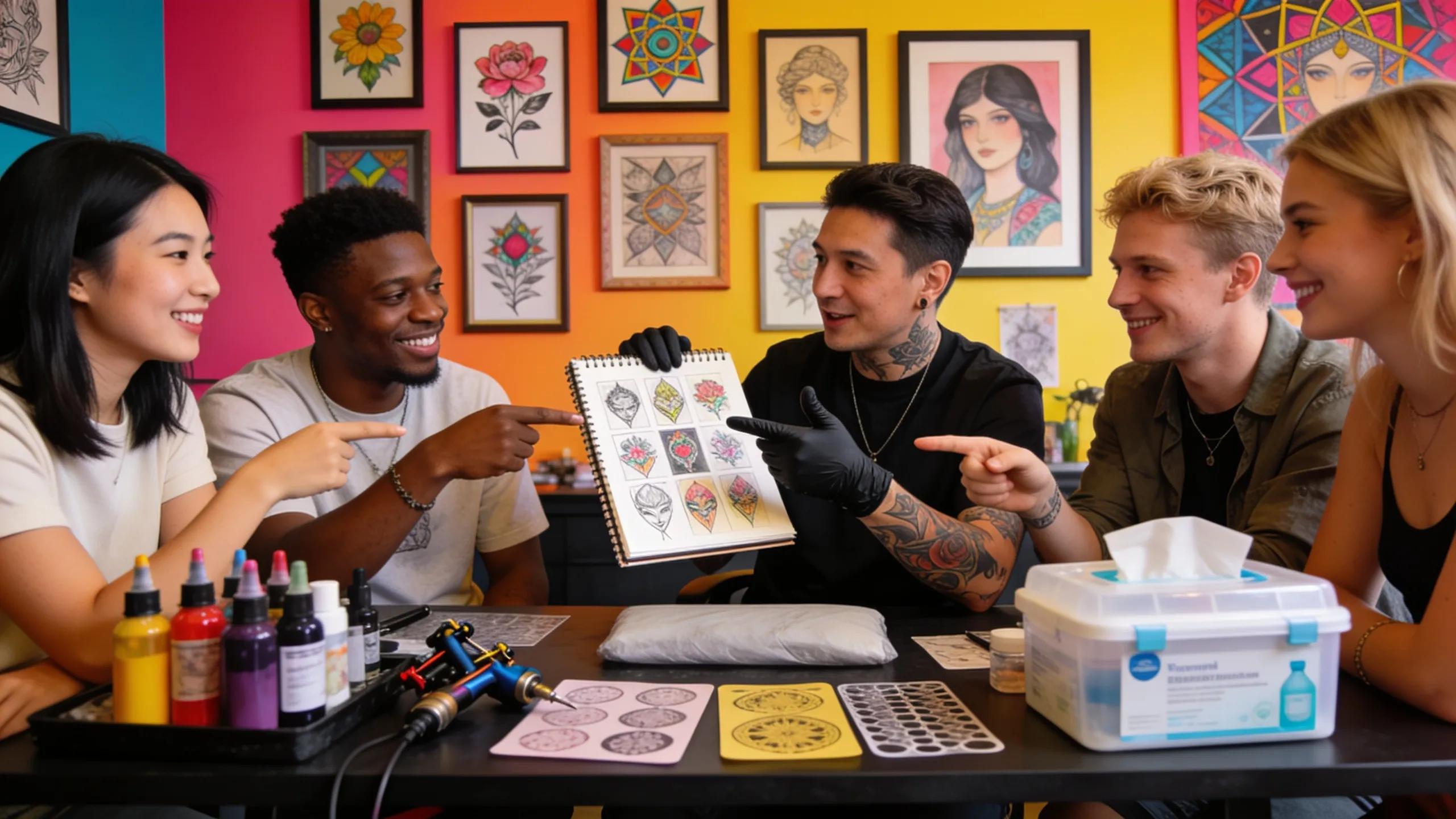
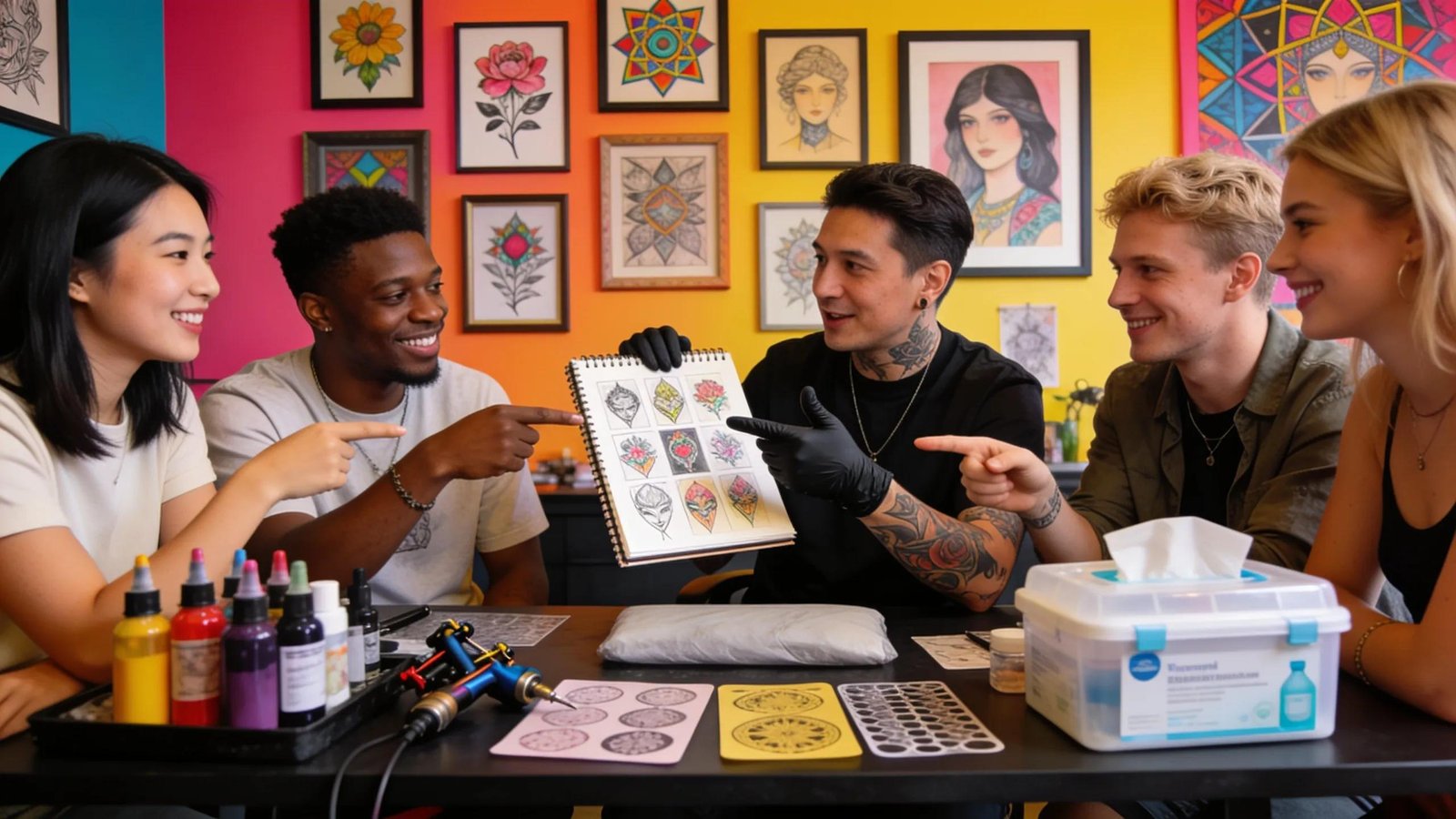
Selecting the appropriate tattoo artist is essential to realise a distinct personal vision. The diversity of techniques and styles can complicate the decision; a systematic approach reduces uncertainty. This guide provides pragmatic strategies to identify artists whose technical capabilities and aesthetic sensibilities align with your objectives. It addresses the definition of style, portfolio assessment, hygiene verification, and effective communication. Attention to these areas increases the likelihood of a successful tattoo outcome and highlights the value of local practitioners in delivering personalised results.
Identify Your Tattoo Style
Clarifying the desired tattoo style constitutes the initial and most important step in matching an artist to a project. Tattoo genres vary considerably—examples include traditional, tribal, watercolor, and realism—each with distinct techniques and visual principles. A comprehensive understanding of these differences permits a reasoned selection that reflects both symbolism and aesthetic preference. Conduct targeted research and reflect on the meanings and forms that best represent your objectives.
Evaluate Portfolios

Assessment of an artist’s portfolio is a primary indicator of their capacity to execute your concept. A robust portfolio demonstrates technical competence and stylistic range while indicating fidelity to detail. When reviewing work, evaluate line precision, shading quality, and colour consistency as objective markers of proficiency.
- Diversity of Styles: Look for artists who exhibit versatility in their work, allowing them to adapt to your vision.
- Quality of Work: Analyze the overall aesthetics and technical prowess within the pieces—sharp lines, shading, and color vibrancy are essential indicators of skill.
- Specialization: Determine if the artist specializes in a specific style that aligns with your desired tattoo, significantly impacting the outcome.
In addition to technical metrics, consider the emotional or conceptual response the artwork elicits, as this aspect supports alignment between the artists output and your intended narrative.
Evaluating Tattoo Artist Portfolios: A Key Selection Strategy
More typically, all applicants to the case study firms submitted a portfolio of their artwork (both paintings and photos of previous tattoos and piercings) as part of the selection process.What do tattoo artists know about HRM?
Recruitment and selection in the body art sector, AR Timming, 2011
Stay Local Tattoo understands the importance of aligning artistic direction with client intent. The studio specialises in bespoke designs that translate individual narratives into well-executed tattoos, and it offers consultations to ensure conceptual and technical compatibility with clients. Stay Local Tattoo understands the importance of matching your artistic vision with the right tattoo artist.
Read Client Reviews
Client testimonials provide empirical insight into an artist’s professionalism and the consistency of their results. Reviews frequently document not only the final work but also process elements such as punctuality, communication, and studio conduct, which are pertinent to decision making.
- Professionalism: Insight into how the artist interacts with clients during consultations and after the tattoo is completed.
- Hygiene Standards: Reviews often reflect the cleanliness of the studio and adherence to safety protocols, which are crucial considerations before getting tattooed.
Systematic review of multiple testimonials enables a balanced assessment of client satisfaction and highlights recurrent strengths or concerns relevant to your selection criteria.
Schedule Consultations
Following portfolio and review analysis, schedule consultations to verify fit and clarify expectations. In-person meetings permit direct evaluation of the artist’s communication style, professional demeanour, and conceptual approach to your project.
- Communication Skills: Take note of how well the artist interprets your ideas and whether they provide constructive feedback or suggestions.
- Expectations Discussion: A good artist will be eager to understand what you envision, ensuring they can align their skills with your goals.
A structured consultation fosters collaborative planning and establishes clear deliverables, which contributes to a controlled and satisfactory tattooing experience.
Assess Hygiene Standards

Hygiene and safety protocols are fundamental to professional tattoo practice. Verify that the studio maintains a clean environment and that practitioners employ recognised sterilisation procedures. These measures reduce the risk of infection and support optimal healing.
- Clean Environment: Visit the studio prior to your appointment to observe cleanliness.
- Safety Protocols: Inquire about the sterilization methods they use for equipment and whether they follow recommended safety guidelines—such as wearing gloves and using single-use needles.
Confirmation of these practices provides objective reassurance regarding health and safety and diminishes the likelihood of procedure-related complications.
Assessing Compliance: Hygiene Standards Table
| Service | Safety Measure | Standard |
|---|---|---|
| Equipment Sterilization | Autoclaving all tools | High |
| Skin Preparation | Use of antiseptic wipes | Required |
| Waste Disposal | Proper disposal of needles and ink | Mandatory |
Prioritising hygiene is a prerequisite for a successful tattoo procedure and contributes directly to satisfactory long-term results.
Consider Artist Experience
An artists experience level materially affects technical execution and problem-solving during complex procedures. Seasoned practitioners typically demonstrate refined technique in shading, colour application, and adaptation to diverse skin types, which can influence the durability and appearance of the tattoo.
- Years in Practice: An established artist often brings a wealth of knowledge and refined techniques to the table.
- Client Retention: A consistently booked artist is often a good indicator of reliability and quality.
Emerging artists should not be excluded; they may offer specialised styles and a strong commitment to precision while building their reputation, which can translate into high-quality outcomes.
Communicate Effectively
Precise and direct communication ensures that artistic objectives are mutually understood. Provide clear descriptions of desired elements, indicate non-negotiable aspects, and remain open to technical recommendations that preserve the integrity of the design.
- Use Reference Images: Bring visual aids that represent the style and elements you want in your tattoo to facilitate understanding.
- Ask Questions: Engage your artist in discussion regarding their experiences and advice—this helps clarify your vision and sets mutual expectations.
Active engagement during consultation and pre-procedural planning establishes a collaborative framework that mitigates misunderstandings and supports predictable results.
Trust Your Instincts
Professional competence and personal rapport both contribute to a productive client-artist relationship. If interactions produce uncertainty regarding competence or communication, continuing the search is a prudent course of action.
- Rapport: Do you feel heard and understood in interactions with the artist?
- Comfort Level: Are you confident in their abilities and approach?
Selection of a tattoo artist is informed by both objective assessment and subjective judgment; a positive rapport enhances the overall experience and supports confidence in the final result.
How Do You Identify Custom Tattoo Styles That Reflect Your Vision?
Defining a personal tattoo style requires focused reflection on aesthetic preferences and symbolic priorities. Consider which motifs and visual languages align with your identity and the message you intend to convey.
- Personal Aesthetic: Reflect on your interests, preferences, and any significant symbols that resonate with you.
- Placement Considerations: Think about where you plan to place the tattoo and how it might adapt to various life stages.
- Artist Specialization: Research artists known for their proficiency in styles that capture your specific vision.
Evaluating these factors will enable a coherent definition of a custom style that balances meaning and visual harmony.
How Do Local Tattoo Trends Influence Style Selection in Wheat Ridge and Denver?
Local artistic trends and cultural influences inform the prevalence of certain styles within a region. Wheat Ridge and Denver host active creative communities; awareness of regional tendencies can assist in locating artists who are both skilled in and receptive to locally preferred aesthetics.
- Influence of Local Culture: Artists in these areas often showcase designs that embody the local culture or popular trends within the Colorado community.
- Popular Styles: Certain styles may gain more traction in these cities, affecting availability and specialization options among local artists.
Understanding regional tendencies can guide selection toward practitioners whose portfolios reflect community aesthetics and an informed appreciation of local artistic context.
What Are the Best Practices for Choosing a Tattoo Artist?
Adopt a methodical selection process that integrates portfolio analysis, client feedback, direct consultation, and hygiene verification. Each element contributes measurable information to support an objective decision.
- Portfolio Review: Meticulously examine the artist’s portfolio for quality and style consistency.
- Client Reviews: Analyze testimonials to gauge overall client experience and satisfaction.
- In-Person Consultations: Schedule meetings with prospective artists to discuss your vision and assess communication skills.
- Hygiene Practices: Ensure the artist adheres to rigorous hygiene standards and protocols during the tattooing process.
A structured approach to selection reduces risk and increases the probability of a favourable result.
Which Questions Should You Ask During a Tattoo Consultation?
Pose targeted questions that clarify the artists experience, process, and aftercare recommendations. Specific enquiries facilitate informed consent and align expectations.
- Experience with Styles: “Have you worked with this specific style before, and can you show examples?”
- Design Approach: “What is your process for collaborating on custom designs?”
- Aftercare Guidance: “What aftercare recommendations do you provide to ensure proper healing?”
These questions establish a foundation for transparent collaboration and reduce uncertainty regarding technique and outcomes.
How Can You Review Tattoo Portfolio Examples to Match Your Artistic Preferences?
Portfolio review should emphasise measurable indicators of consistency and fidelity to style. Assess multiple examples to determine whether the artist reliably achieves the technical and aesthetic results you require.
- Inspect Quality and Consistency: Look for consistent quality across multiple pieces, particularly in terms of line work, color application, and overall design coherence.
- Identify Thematic Elements: Determine whether the artwork reflects the stylistic characteristics that align with your envisioned tattoo.
- Observe Client Satisfaction: If available, pay attention to images of tattoos on clients to gauge both the artistic execution and how well they translate to real-life skin.
A disciplined review process clarifies whether an artist can execute your concept with the required precision.
How Do Tattoo Artists Showcase Style Diversity Within Their Portfolios?
Experienced artists often demonstrate range by presenting work across multiple techniques and thematic approaches. Such diversity evidences adaptability and skill breadth, which are relevant when commissioning hybrid or non-standard designs.
- Variety in Techniques: A diverse portfolio often includes various techniques, such as illustrative work, bold lines, and intricately detailed pieces.
- Client Satisfaction Metrics: Many artists will themselves include client testimonials or “healed” photos in their portfolios, giving prospective clients insights on how tattoos age over time.
Confirming an artists capacity to deliver varied techniques provides additional assurance regarding their suitability for bespoke requests.
What Is the Process to Book a Tattoo Appointment at Local Tattoo Shops Near You?
Booking procedures differ among studios, but the standard sequence includes research, initial contact, consultation, and appointment confirmation. Familiarising yourself with this sequence streamlines scheduling and reduces administrative uncertainty.
- Research Artists: Look into local tattoo shops and identify artists who resonate with your stylistic preferences.
- Contact the Studio: Reach out through calls or emails to express your interest and schedule a consultation.
- Discuss Details: During your appointment, communicate your vision and ask any pertinent questions.
- Confirm Appointment: Once all details are agreed upon, confirm your appointment, often requiring a deposit to secure your slot.
Understanding the typical booking workflow enables efficient coordination and ensures that preparatory steps are completed prior to the session.
What Are Typical Pricing Considerations When Scheduling a Tattoo Session?
Price determination is a function of scale, complexity, and practitioner reputation. Recognising the primary cost drivers permits realistic budgeting and informed comparison among artists.
- Tattoo Size: Larger tattoos typically require more time and skill, translating to higher costs.
- Design Complexity: Intricately detailed designs may have higher rates due to the artist’s expertise and time investment.
- Artist Experience Level: Well-established artists generally charge higher rates reflective of their skills and reputation.
Evaluating these variables facilitates a cost-benefit analysis that balances financial considerations with expected quality.
How Do Client-Artist Consultations Ensure Alignment of Vision and Artistic Preferences?
Consultations create a formal opportunity to exchange information and align technical and aesthetic expectations. They support iterative refinement of the concept and reduce the risk of miscommunication.
- Communication of Ideas: Clear conversation allows for the refinement of design concepts and ensures the artist understands your vision.
- Collaboration in Design: The consultation is a space to share ideas and receive feedback, allowing for potential iteration on the initial concept.
Prioritising comprehensive consultations establishes a shared framework for the project and increases the likelihood of a successful execution.
How Does Collaboration Refine Custom Tattoo Design to Match Expectations?
Collaboration between client and artist is an iterative process that integrates feedback and technical expertise. Structured cycles of review and revision allow the design to evolve in response to practical and aesthetic considerations.
- Initial Sketches: Artists may present sketches based on your discussion, allowing feedback for adjustments.
- Feedback Cycles: Important elements for client satisfaction are discussed in multiple rounds, ensuring that the final tattoo aligns with your vision.
Consistent collaboration yields a final design that reconciles the clients intent with the artists professional judgement.
Why Choose Local Tattoo Shops in Wheat Ridge and Denver for Your Custom Tattoo Needs?
Patronising local studios delivers distinct advantages, including support for regional practitioners and enhanced opportunities for tailored service. Local engagement often results in stronger client-artist relationships and design customisation sensitive to local context.
- Support Local Artistry: Choosing local artists promotes community talent and growth, sustaining small businesses focused on individualized service.
- Enhanced Customization: Local shops often offer more personalized experiences, creating a deeper connection to your tattoo.
- Understanding of Regional Trends: Local artists are typically aware of prevalent styles and preferences within the community, ensuring alignment with current trends.
Selecting a local artist contributes to both individual satisfaction and the vitality of the regional art community.
How Do Local Artist Portfolios Reflect Regional Style and Culture?
Local portfolios frequently incorporate motifs and stylistic choices that reflect the cultural and environmental context of the area. Such elements provide insight into how regional narratives inform individual commissions.
- Influences from Local Culture: Artists incorporate elements and themes relevant to their geographic and cultural contexts.
- Emergence of Popular Styles: Portfolios can showcase the prevailing styles that resonate within the local area, attracting clients who wish for tattoos that reflect the region.
Examining local portfolios enables clients to determine whether a proposed design will resonate both personally and within a broader cultural framework.
Frequently Asked Questions
What should I bring to my tattoo consultation?
Attend consultations prepared with visual references and a concise list of questions. Provide photographs, sketches, or examples of work that illustrate your intended style and composition. Prepared materials improve the efficiency of the discussion and facilitate accurate translation of concept to design.
How can I find tattoo artists with a specific style?
Locate specialised artists by surveying local studio websites and social media portfolios. Platforms such as Instagram and Pinterest provide access to current examples of an artists work. Solicit recommendations from trusted contacts or community groups when personalised referrals are required.
What are common hygiene practices I should ask about?
Query proven sterilisation protocols, including autoclave use and single-use needles, and request details on waste disposal procedures. Observe the studio environment for routine cleaning practices and inquire about staff training in infection control. Reputable practitioners will provide transparent answers to such questions.
How do I know if a tattoo artist is trustworthy?
Trustworthiness is evidenced by consistent positive feedback, a coherent portfolio aligned with your objectives, and professional conduct during consultation. Evaluate responsiveness to inquiries and the clarity of explanations provided regarding process and risks.
What should I expect during the tattooing process?
Expect a preparatory discussion, placement verification via stencil, and opportunity for final corrections before inking commences. Session length varies with complexity; the artist will manage pacing and offer breaks to ensure client comfort.
Can I request modifications to my tattoo design mid-session?
Requests for modifications are acceptable if communicated clearly and respectfully. The feasibility of changes depends on the stage of work; significant alterations may not be practical once inking has commenced.
How important is aftercare for my tattoo?
Aftercare is essential to healing and long-term appearance. Follow the artists instructions regarding cleaning, moisturisation, and sun protection to minimise infection risk and preserve colour saturation. Adherence to aftercare protocols materially improves outcomes.
Conclusion
Selecting an appropriate tattoo artist is a determinative element of achieving a personalised and durable result. Comprehensive evaluation of style compatibility, portfolio quality, practitioner experience, and hygiene practices establishes a rigorous basis for selection. Engage local professionals who demonstrate technical proficiency and an understanding of contextual aesthetics, and schedule a consultation to confirm alignment before proceeding.

Post a comment