

Key Factors to Evaluate Tattoo and Piercing Shops Near You
Best Tattoo Shops Near Me: Key Factors to Evaluate When Choosing Tattoo and Piercing Shops in Your Area
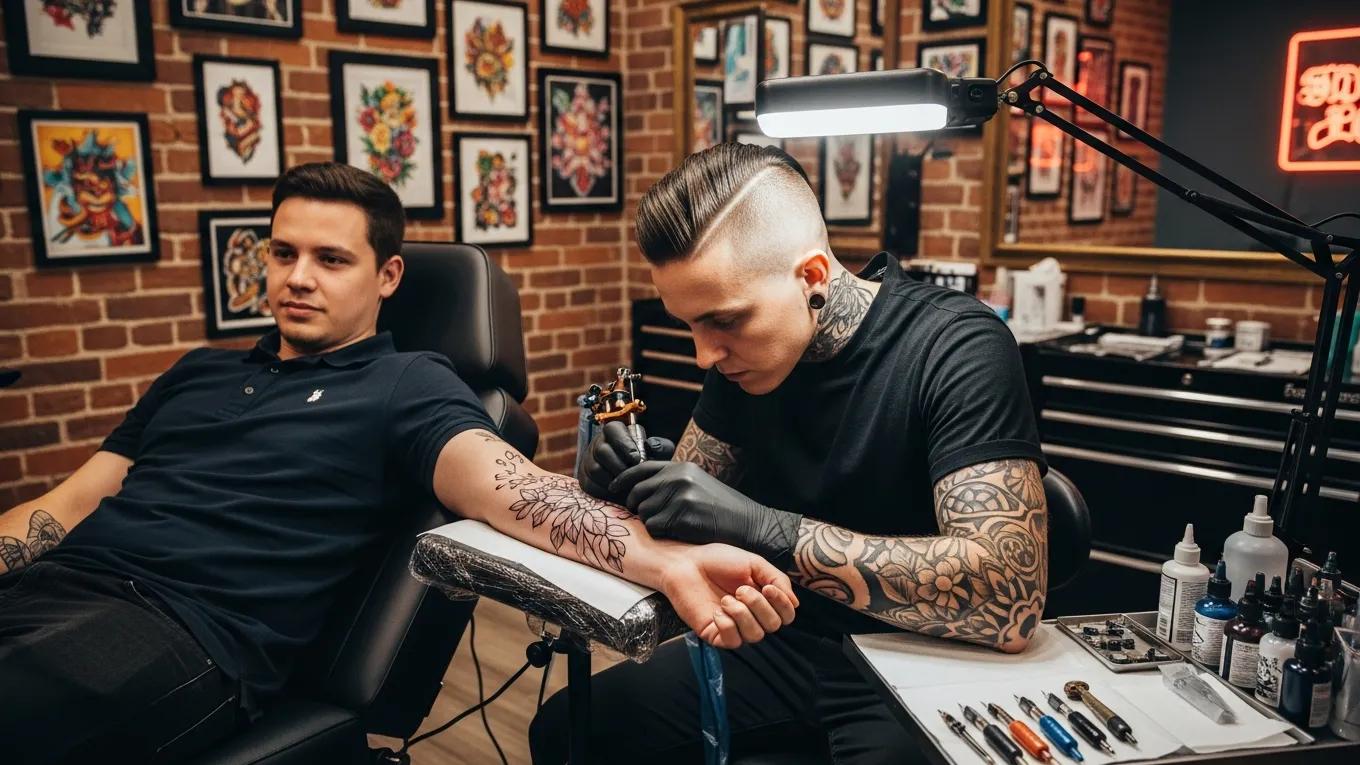
By Ben Gunn, Stay Local Tattoo and Piercing
Selecting an appropriate tattoo and piercing shop is essential to achieve a safe procedure and a satisfactory result. The range of available establishments can complicate the decision. This article outlines the principal criteria for evaluating local tattoo and piercing studios, including artist portfolios, hygiene and safety protocols, and custom design services. Understanding these factors enables an informed choice that aligns with both aesthetic preferences and health considerations. The content details methods to assess portfolios, the significance of hygiene standards, the custom-design workflow, consultation best practices, and common piercing types with their aftercare requirements.
Additional research underscores the need to evaluate a shop’s services and business model comprehensively to secure a sustainable and satisfactory client experience.
Evaluating Tattoo & Piercing Shop Services
Using SWOT analysis, competitor benchmarking (for example, StabLab’s decentralized management and Rowawi Clinic’s bundled pricing), and semi-structured stakeholder interviews, the study indicates that Deadhead could improve sustainability by adopting bundled pricing, producing flash design books, and adding piercing services—innovations not currently implemented.
Developing Business Model Innovation of Tattoo Business (Case Study: Deadhead Tattoo Studio), D Dellyana, 2025
How to Assess Tattoo Artist Portfolios for Quality and Style

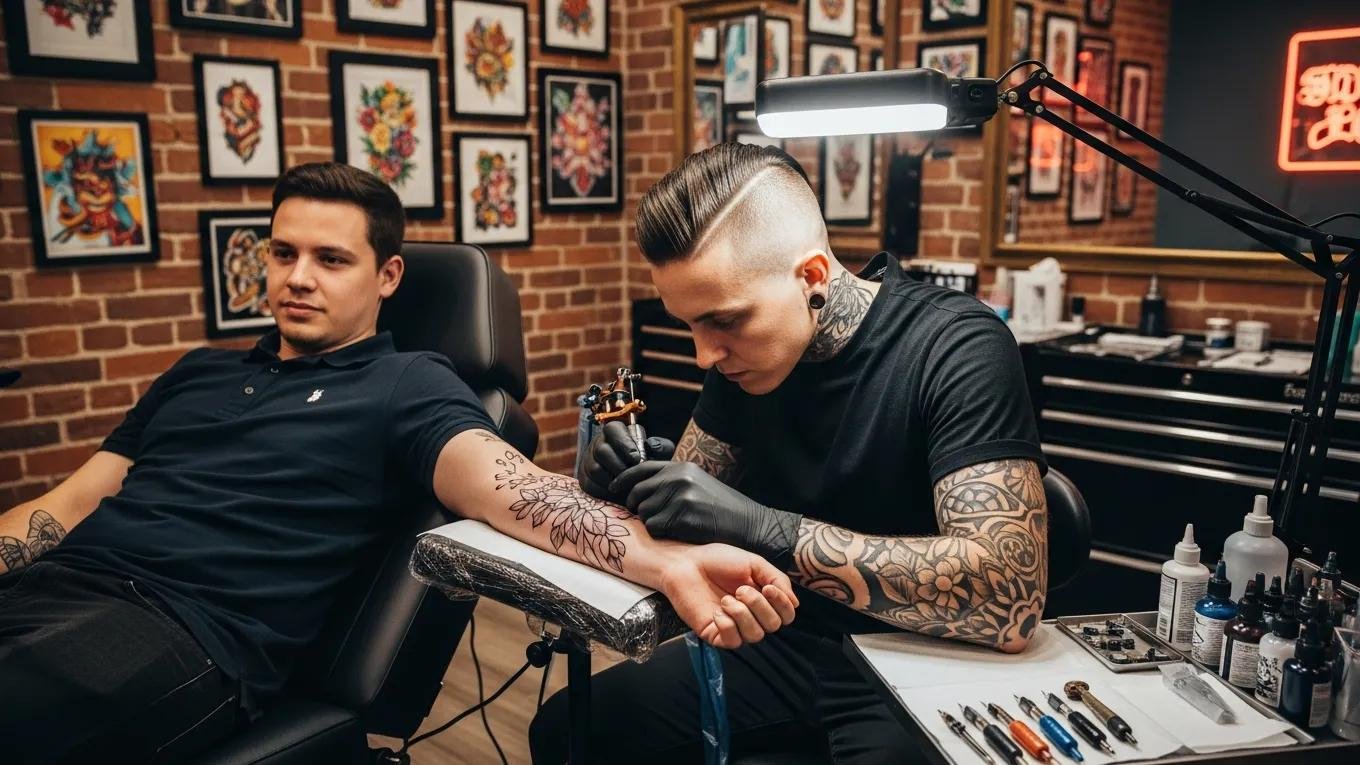
Assessing a tattoo artist’s portfolio is a primary indicator of technical ability and stylistic range. A well-structured portfolio demonstrates the artist’s versatility, creative solutions, and consistency in execution. When reviewing portfolios, focus on variation in subject matter, technical quality, and evidence of client satisfaction to confirm stylistic alignment with your requirements.
What to Look for in a Tattoo Artist’s Portfolio
When reviewing a portfolio, assess these primary elements:
- Diversity of Styles : A good portfolio should display a variety of tattoo styles, from traditional to modern, indicating the artist’s versatility.
- Quality of Work : Look for clean lines, vibrant colors, and well-executed designs that demonstrate the artist’s technical skills.
- Client Satisfaction : Check for testimonials or reviews from previous clients to gauge their overall satisfaction with the artist’s work.
Clients seeking professional custom work may consider Stay Local Tattoo and Piercing , which provides bespoke designs tailored to individual preferences and professional standards.
How Artist Experience and Specialization Influence Your Choice
An artist’s experience and specialization materially influence the final result. Seasoned practitioners typically exhibit refined technique and a distinct stylistic approach. Specific specializations—such as realism, traditional, or abstract work—affect suitability for particular projects. Evaluate years of experience, stated specializations, and client feedback to confirm the artist’s fit for your design.
What Are Professional Piercing Safety Standards and Why Do They Matter?

Familiarity with professional piercing safety standards is necessary to ensure a hygienic procedure. These standards are intended to mitigate the risk of infection and other complications during and after the piercing. Reputable establishments adhere to strict hygiene protocols and employ sterilized equipment to reduce hazards.
Robust health policies and licensing requirements are foundational to maintaining these safety standards across the industry.
Tattoo Shop Licensing & Safety Regulations
The study evaluated five health-policy items: (1) tattoo artists should be licensed; (2) artists require training on bloodborne pathogens and communicable diseases; (3) tattoo regulations contribute to the prevention of infectious disease; (4) local enforcement of tattoo laws exists; and (5) tattoo establishments should be licensed.
Evaluation of tattoo artists’ perceptions of tattoo regulations in the United States, 2016
How to Verify Hygiene Certifications and Safety Protocols
To confirm compliance with safety standards, proceed as follows:
- Check Certifications : Look for certifications that indicate the shop complies with local health regulations and industry standards.
- Understand Safety Protocols : Inquire about the shop’s hygiene practices, including how they sterilize equipment and maintain a clean environment.
- Importance of Sterile Equipment : Ensure that the shop uses single-use, sterile needles and properly sterilized tools to prevent infections.
Stay Local Tattoo and Piercing maintains rigorous hygiene protocols and ensures that all procedures are executed with professional care.
What Equipment and Procedures Ensure Safe Piercing Services?
Safe piercing services depend on specified equipment and standardised procedures. Key items include:
- Sterilization Equipment : Autoclaves are used to sterilize tools and equipment, ensuring they are free from contaminants.
- Single-Use Needles : Using disposable needles for each piercing reduces the risk of cross-contamination.
- Aftercare Instructions : Providing clients with clear aftercare guidelines is crucial for preventing infections and promoting healing.
Understanding these safety measures enables clients to make more confident selections when choosing a piercing shop.
Research further indicates that accessible information on studio cleanliness, piercer experience, and aftercare is critical to client confidence and safety.
Studio Cleanliness & Piercer Professionalism
The study examined website information concerning studio cleanliness, safety precautions, potential piercing complications, body piercers’ professional experience and affiliations, recommended aftercare, resources on body modification, and available procedures.
A Content Analysis of On-Line Information on Body Piercing and Body Modification, 2008
How to Choose the Right Custom Tattoo Design Services for Your Needs
Choosing an appropriate custom tattoo design service requires comprehension of the design process and clear communication of objectives to the artist. A structured process increases the likelihood that the final tattoo accurately reflects the intended concept.
What Is the Custom Tattoo Design Process?
The custom design workflow commonly comprises the following steps:
- Initial Consultation : Discuss your ideas, preferences, and any reference images with the artist to establish a clear vision.
- Design Drafts : The artist will create initial sketches based on your input, allowing for adjustments and refinements.
- Final Approval : Once you are satisfied with the design, the artist will prepare for the tattooing process.
This collaborative methodology helps to ensure the final design conforms to your expectations.
How to Communicate Your Vision Effectively to Tattoo Artists
Clear communication is essential to achieve the intended tattoo. Recommended practices include:
- Describing Your Vision : Be specific about the elements you want in your tattoo, including size, placement, and style.
- Using Reference Images : Share images that inspire you or represent the style you are looking for, helping the artist understand your preferences.
- Feedback During the Process : Provide constructive feedback during the design phase to ensure the final product meets your expectations.
What Are the Best Practices for Booking and Consultation at Tattoo and Piercing Shops?
Proper appointment scheduling and preparation for a consultation materially affect the client experience. Adherence to best practices streamlines the process and maximizes the value of the visit.
How to Use Online Appointment Booking Systems Efficiently
Numerous establishments provide online booking platforms for convenience. To use these systems effectively:
- Navigating Booking Platforms : Familiarize yourself with the shop’s website and booking interface to find available time slots.
- Choosing Appointment Times : Select times that work best for you, considering the artist’s availability and your schedule.
- Confirming Appointments : Always confirm your appointment to avoid any misunderstandings or scheduling conflicts.
What to Expect During Your Initial Consultation
During the initial consultation, discuss your design concepts and preferences. Key aspects to cover include:
- Discussing Design Ideas : Share your vision and any reference materials to help the artist understand your preferences.
- Understanding Pricing : Inquire about the cost of the tattoo or piercing, including any additional fees for custom designs.
- Setting Expectations : Clarify the timeline for the tattooing or piercing process, including healing times and aftercare requirements.
Which Types of Piercings Are Available and What Are Their Aftercare Requirements?
Familiarity with available piercing types and their aftercare requirements is essential to achieve a successful outcome. Different procedures entail distinct healing timelines and maintenance considerations.
What Are the Most Popular Piercing Types Offered?
Common piercing types include:
- Earlobe Piercings : Simple and common, earlobe piercings typically heal quickly and require minimal aftercare.
- Nose Piercings : These can be done in various styles, including nostril and septum piercings, each with specific aftercare needs.
- Body Piercings : Options like belly button and eyebrow piercings require more attention during the healing process.
How to Follow Professional Piercing Aftercare Instructions
Adherence to recommended aftercare practices is critical to promote uncomplicated healing. Principal aftercare instructions include:
- Cleaning Procedures : Clean the piercing site regularly with saline solution or a recommended cleanser to prevent infections.
- Signs of Infection : Be aware of symptoms such as redness, swelling, or discharge, which may indicate an infection.
- Long-Term Care : Follow the artist’s guidelines for long-term care to maintain the health of your piercing.
Compliance with these aftercare protocols supports healing and the long-term maintenance of the piercing.
| Type of Piercing | Safety Protocols | Aftercare Instructions |
|---|---|---|
| Earlobe Piercing | Sterilized needles, single-use equipment | Clean daily, avoid touching |
| Nose Piercing | Sterilized needles, proper hygiene | Clean with saline, avoid makeup |
| Body Piercing | Sterilized tools, trained professionals | Follow specific aftercare guidelines |
Frequently Asked Questions
What should I consider when choosing a tattoo shop for my first tattoo?
For a first tattoo, evaluate the shop’s reputation, artist qualifications, and hygiene standards. Review client feedback and, where possible, inspect the premises to verify cleanliness and professional practice. Request access to the artist’s portfolio and inquire about experience to confirm stylistic compatibility. Prioritise clear communication and a professional environment to support a positive initial experience.
How can I ensure the tattoo artist understands my design vision?
Provide precise instructions and supporting reference images. Specify desired elements such as size, colour, and placement. Consider the artist’s professional recommendations and supply constructive feedback during the design stage to refine the concept until it meets your requirements.
What are the common risks associated with getting a tattoo or piercing?
Tattoos and piercings carry risks including infection, allergic reaction, and scarring. Infections may arise from inadequate procedural or aftercare hygiene. Allergic responses can result from certain inks or jewellery materials. Scarring may occur if the healing process is not properly managed. To mitigate these risks, select a reputable studio that adheres to safety protocols and follow aftercare instructions closely.
How long does it typically take for a tattoo to heal?
Healing time varies by tattoo size, location, and individual skin characteristics. The initial superficial healing phase generally lasts two to three weeks, while full tissue recovery can require up to six months or longer. Adhere to aftercare guidance throughout the healing period to reduce complications and prevent premature fading.
What should I do if I experience complications after getting a piercing?
If complications occur—such as pronounced redness, swelling, or discharge—clean the area gently with saline and avoid contamination. If symptoms persist or worsen, consult the piercer or a healthcare professional for assessment and treatment. Early intervention facilitates resolution and reduces the risk of further complications.
Are there any specific aftercare products recommended for tattoos and piercings?
Recommended products include fragrance-free moisturizers or specialised tattoo aftercare ointments for tattoos, and saline solutions or non-alcoholic antiseptics for piercings. Confirm product recommendations with your tattoo artist or piercer, as they may have preferred items based on the procedure and their professional experience.
Conclusion
Selecting an appropriate tattoo and piercing shop is fundamental to achieving a safe and satisfactory result. By assessing artist portfolios, safety protocols, and custom-design capabilities, you can ensure alignment with both aesthetic objectives and health requirements. Proceed by reviewing recommended studios and services to identify an artist suited to your specifications.

Post a comment