



Comprehensive Body Piercing Aftercare Tips for New Piercings in Colorado
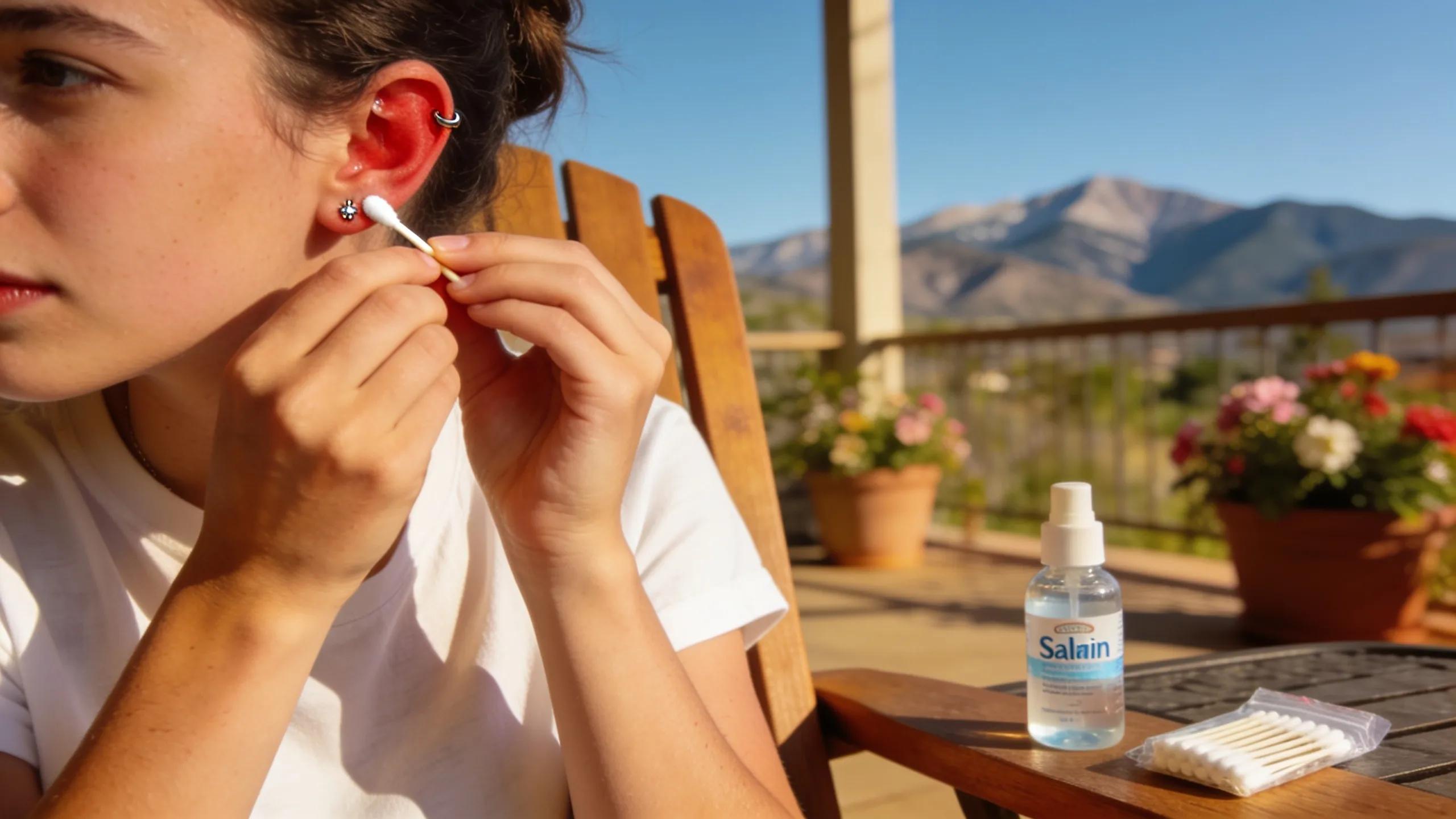
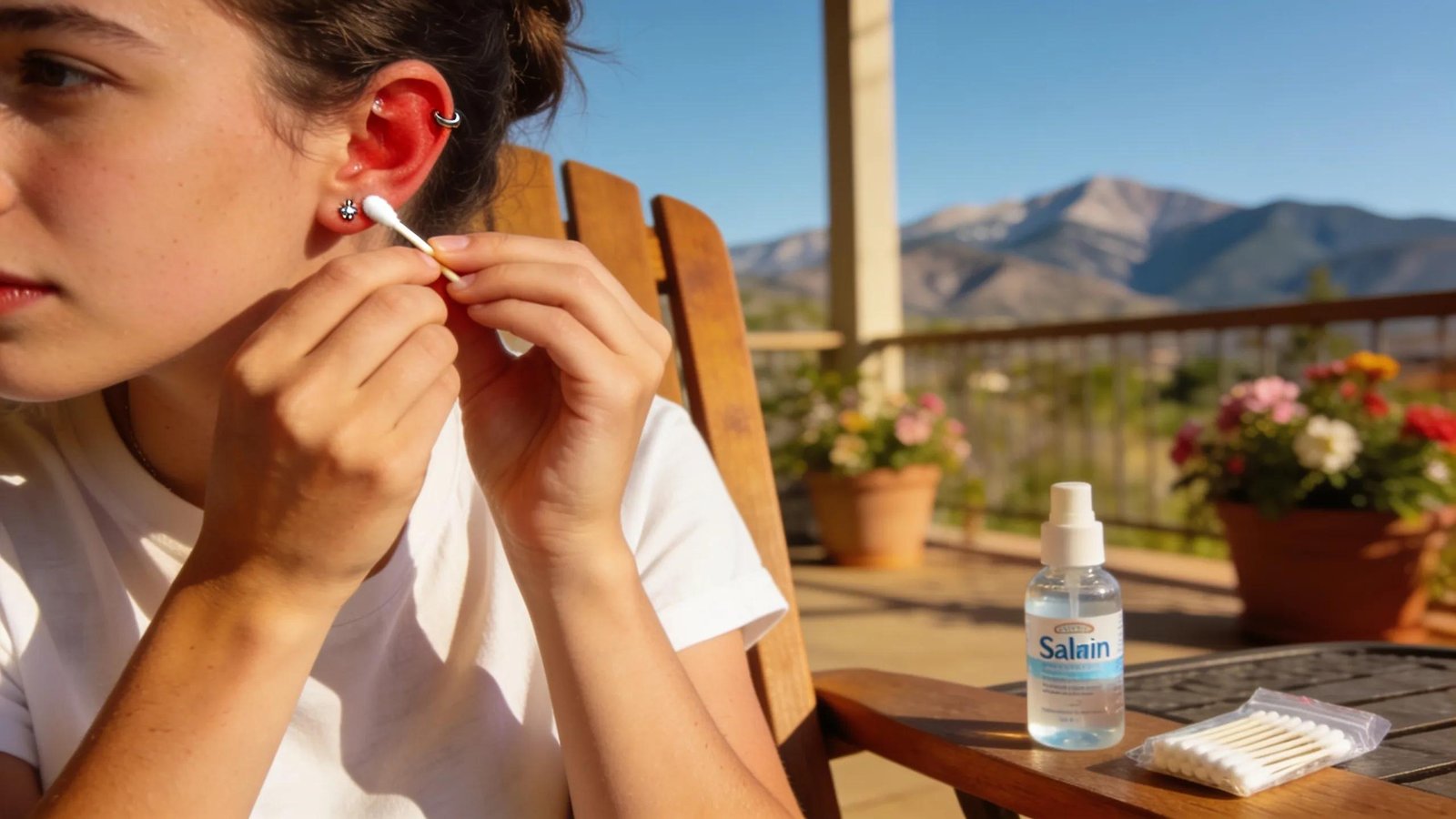
A body piercing requires diligent aftercare to promote healing and to reduce the risk of complications. This guide presents essential aftercare recommendations tailored for Colorado residents, taking local climatic factors into account. It outlines typical healing times for common piercings, recommended cleaning protocols, suitable jewellery materials, and indicators of potential complications. Adherence to these guidelines supports a safe and effective healing process.
What Is the Recommended Healing Time for New Piercings in Colorado?
Healing time varies by piercing location. Surface piercings commonly require approximately eight to twelve weeks, while piercings in more vascular areas, such as the lips or nostrils, often heal within four to eight weeks. Appropriate aftercare is a primary factor in achieving these timelines. Individual variables, including skin characteristics and overall health, also influence the rate of healing and necessitate consistent care.
How Does Healing Time Vary by Piercing Location?
Different anatomical locations exhibit distinct healing times due to variations in blood supply and tissue composition. For instance:
- Earlobe Piercing: Usually heals within 6 to 8 weeks, thanks to rich blood flow.
- Nose Piercing: Typically heals in 2 to 4 months, requiring consistent hygiene.
- Body Piercings: Such as navel or dermal piercings can take anywhere from 3 to 12 months, or longer depending on care.
Recognizing these distinctions will assist in setting realistic expectations throughout the healing period.
What Local Climate Factors Influence Piercing Healing in Colorado?
Colorado’s climate can affect piercing recovery. Dry air and high altitude may contribute to skin dehydration, which can necessitate increased hydration and local moisturising. Variations in humidity influence skin elasticity and reparative capacity. Adjust the aftercare routine to address these environmental influences.
How Should You Clean a New Piercing Safely to Prevent Infection?
Cleaning a new piercing is essential to prevent infection. A consistent cleaning regimen reduces bacterial load and supports tissue repair. Seek advice from a professional piercer for expert aftercare to ensure cleanliness and to minimise the risk of complications.
Preventing Complications: Importance of Good Aftercare in Body Piercing
All body-modifying procedures carry a risk of complications that depends on the conditions of the procedure, the training and skill of the practitioner, the materials employed, and the aftercare provided. Inadequate hygiene can lead to localized infections and, in severe cases, to life-threatening outcomes or permanent damage. Practitioners must maintain rigorous hygienic standards and be familiar with potential complications. This section addresses requirements for a hygienic working environment, equipment sterilisation, and waste disposal. The tattooing procedure is described step by step, including preventive measures such as proper hand hygiene and detailed aftercare instructions. Clients must be informed of procedural risks and must disclose relevant health conditions. Assessment of client suitability and awareness of contraindications are essential elements that are sometimes neglected.Procedure of tattooing, 2018
- Use a Saline Solution: Clean the piercing area gently with a saline solution at least twice a day.
- Avoid Alcohol-based Products: Steer clear of products containing alcohol, as they can be harsh and irritating for fresh piercings.
- Do not Touch: Avoid touching the piercing area with unwashed hands to minimize risk.
What Cleaning Products Are Best Suited for Body Piercings?
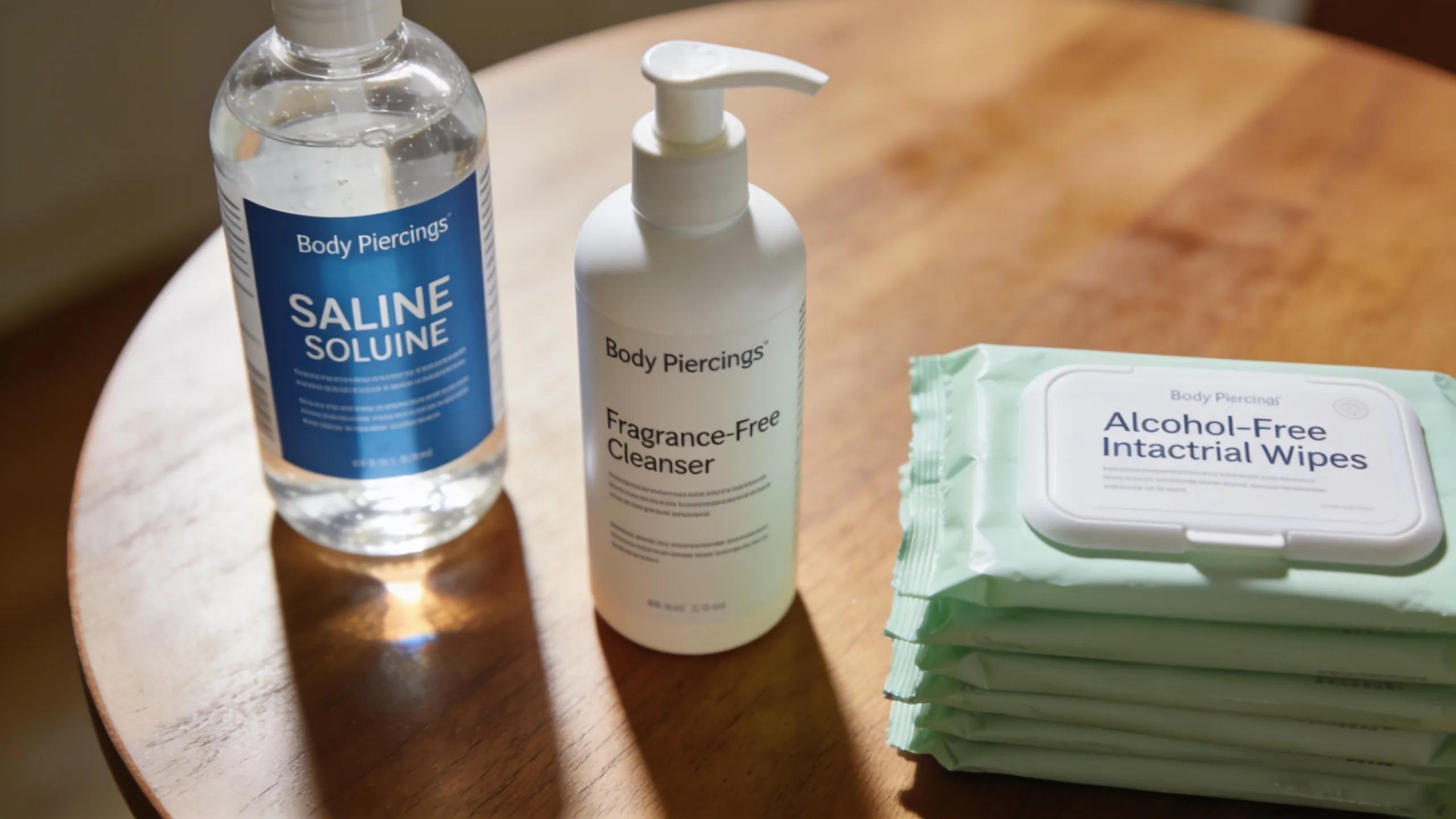
The following products are recommended for cleaning new piercings. Use only high-quality, body-safe jewelry to reduce the risk of adverse reactions. Reputable studios typically offer appropriate options.
- Saline Solution: A simple, effective way to clean piercings without irritation.
- Fragrance-Free Cleanser: Ideal for maintaining hygiene without added chemicals or fragrances that could cause irritation.
- Antibacterial wipes: These are convenient for on-the-go cleaning but should be alcohol-free to avoid irritation.
Regular use of these products supports correct and timely healing of the piercing.
What Are the Best Jewelry Materials for New Piercings to Promote Healing?
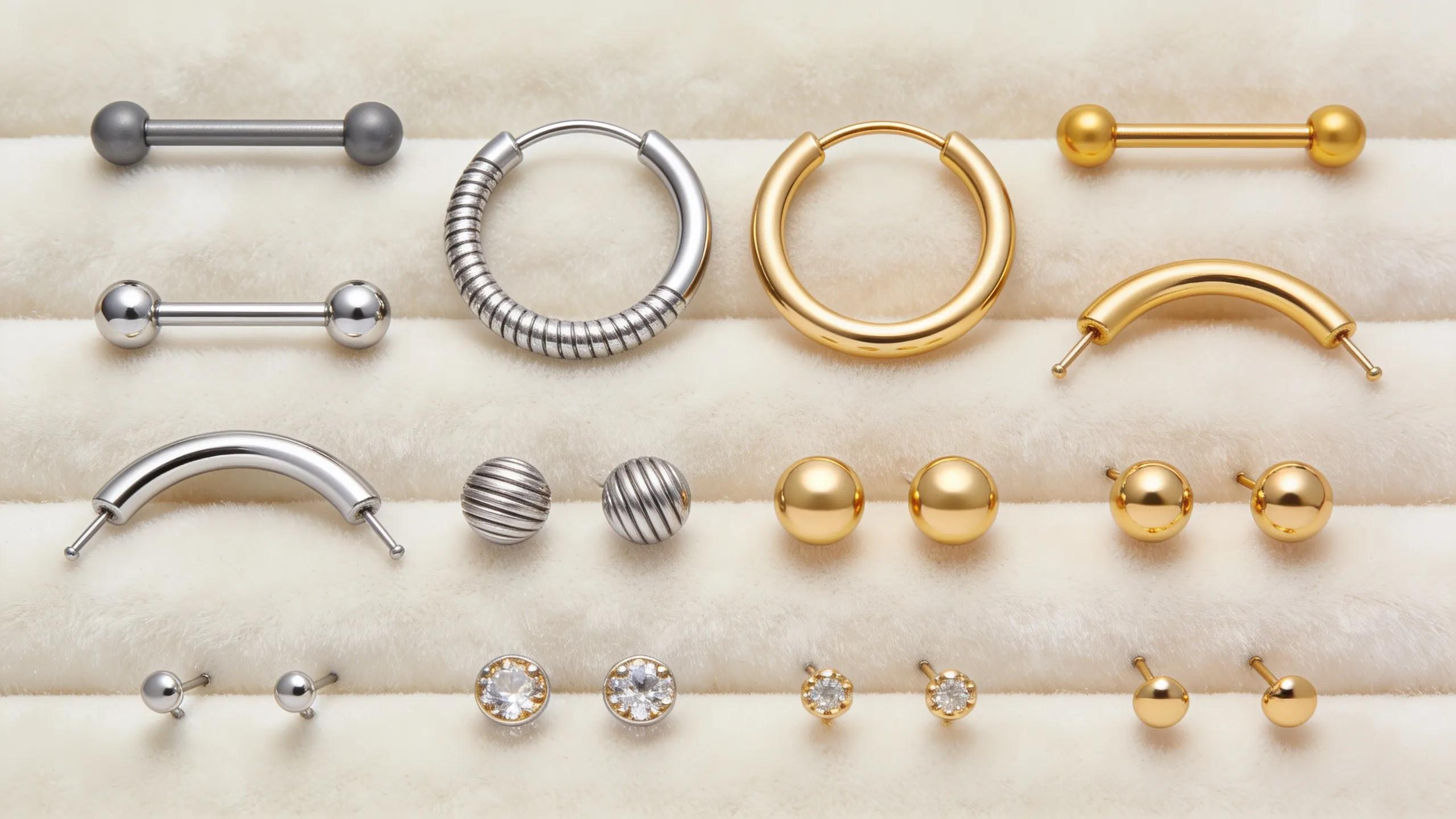
Selecting appropriate jewelry is critical to the healing process. Materials that are hypoallergenic and non-reactive are preferable, as they reduce irritation and support recovery. Reputable studios provide guidance on suitable choices when performing initial piercings.
- Titanium: A lighter, biocompatible option, titanium is known for being safe and minimizing allergic reactions.
- Surgical Stainless Steel: This is another common choice that offers good durability and safety for initial piercings.
- Gold (14k or higher): Only solid gold is recommended, as lower karats may contain nickel, which can cause allergic reactions.
How Do Different Jewelry Materials Affect Healing and Allergies?
Material composition affects healing and comfort. Nickel-containing alloys can elicit allergic responses that complicate recovery. Selecting nickel-free, high-quality materials reduces the likelihood of irritation and contributes to a smoother healing trajectory.
What Jewelry Choices Are Advised by Professional Piercing Studios in Denver and Wheat Ridge?
Professional piercing studios commonly recommend specific materials to optimise healing and minimise adverse reactions. Typical initial choices include:
- Medical-grade titanium: To prevent infections and reactions.
- Surgical stainless steel: For durability and safety.
- Bioplast or PTFE: Flexible and non-reactive options, especially beneficial for those prone to inflammation.
These recommendations are intended to reduce complications during the initial healing phase.
What Are the Common Infection Warning Signs and How Can You Prevent Them?
Infections may occur in the absence of appropriate care. Early recognition of infection signs enables timely management. If uncertainty exists regarding symptoms, consult a professional piercing studio for clarification and advice.
Signs that may indicate an infection include:
- Redness and Swelling: Increased redness around the piercing site.
- Pus or Discharge: Brown, yellow, or green discharge from the piercing.
- Increased Pain: Excessive pain that persists or worsens over time.
Vigilance regarding these symptoms enables prompt action to mitigate potential complications.
Which Symptoms Indicate Piercing Complications Requiring Medical Attention?
Should any of the following symptoms be present, seek medical attention without delay:
- Persistent Redness: If the area remains red after the first few days.
- Fever: A systemic response like fever could indicate a severe infection.
- Severe Pain: If the discomfort escalates significantly beyond the typical healing pain.
Early medical intervention in these circumstances can prevent progression to more serious health outcomes.
What Preventive Measures Minimize Infection Risks During the Healing Process?
Adopting precautionary measures reduces infection risk. Recommended strategies include:
- Regular Cleaning: Established routines for cleaning can keep bacteria at bay.
- Avoid Swimming: Until fully healed, refrain from swimming pools, hot tubs, and natural water bodies.
- Wear Loose Clothing: Tight clothing can irritate the piercing area and disrupt the healing process.
Adherence to these measures decreases infection risk and supports effective healing.
How to Book a Professional Piercing Appointment in Wheat Ridge and Denver for Expert Aftercare?
For individuals considering a new piercing, selecting a reputable studio that prioritizes safety and hygiene is essential. Booking an appointment at an established piercing studio such as Stay Local Tattoo and Piercing in Wheat Ridge provides access to expert advice and professional care throughout the healing period.
- Visit Stay Local Tattoo and Piercing: A highly regarded studio in Wheat Ridge, Colorado.
- Contact Information: Call (720) 242-9615 to inquire about services and availability.
- Location: The studio is located at 3865 Wadsworth Blvd, Wheat Ridge, CO 80033.
Booking with an experienced professional is important for both the health and the aesthetic outcome of the piercing.
Frequently Asked Questions
What should I avoid after getting a new piercing?
After receiving a new piercing, avoid actions and exposures that elevate infection risk. Do not touch or manipulate the piercing with unwashed hands. Refrain from swimming in pools, hot tubs, or natural bodies of water until fully healed. Avoid alcohol-based products and harsh cleansers that may irritate the site. Additionally, do not wear tight clothing that rubs against the piercing.
Can I change my jewelry before the recommended healing time?
Changing jewellery before the recommended healing period is generally inadvisable. Most piercers recommend waiting a minimum of six to twelve weeks, depending on the location, to ensure sufficient healing. Premature jewellery changes may cause irritation, infection, or closure of the piercing. Consult a professional piercer for assessment and guidance prior to any change.
What is the best way to manage pain during the healing process?
Pain management can be achieved through several measures. Apply a cold compress to reduce swelling and discomfort. Over-the-counter analgesics such as ibuprofen or acetaminophen may be used in accordance with dosing instructions. Do not apply ointments or creams unless expressly recommended by the piercer, as these may aggravate the site. If pain persists or worsens, seek advice from a healthcare professional.
Are there dietary considerations to support healing after a piercing?
Nutrition influences recovery. Foods rich in vitamins C and E support tissue repair and skin recovery. Maintain adequate hydration to preserve skin elasticity. Limit excessive alcohol and sugar intake, as these may impair immune function and delay healing. A balanced diet supports overall health and may facilitate recovery of the piercing site.
How often should I check on my new piercing during healing?
It is advisable to inspect the piercing daily. During each inspection, assess for signs of infection such as redness, swelling, or abnormal discharge. Ensure the area remains clean and free from irritants. Perform gentle cleaning as recommended and monitor for changes. If concerning symptoms or delayed healing occur, contact the piercer or a healthcare professional for evaluation.
What should I do if I suspect an infection?
If an infection is suspected, act promptly. Common signs include increased redness, swelling, warmth, and purulent discharge. Do not remove the jewellery, as removal may allow the tract to close and trap the infection. Clean gently with saline solution and consult a healthcare professional; antibiotic therapy or further intervention may be required. Early assessment and treatment improve outcomes.
What role does sunlight exposure play in the healing process?
Sunlight exposure can influence healing. Limited sunlight contributes to vitamin D synthesis, but excessive exposure may cause irritation or sunburn of the surrounding skin, hindering repair. Protect new piercings from direct sunlight during the first few weeks by covering the area or seeking shade when outdoors. These precautions support optimal healing conditions.
Conclusion
Appropriate aftercare is essential to promote healing and to reduce the risk of complications, particularly given Colorado’s environmental conditions. Adhering to recommended cleaning procedures, selecting suitable materials, and understanding expected healing timelines will improve the overall experience. For specialist guidance and professional service, consult a reputable piercing studio. Our professionals can provide expert assistance to ensure a safe and satisfactory outcome.

Post a comment