



Top Tips for Ensuring a Safe and Hygienic Experience at Your Walk-in Tattoo Shop
When considering a tattoo, safety and hygiene are paramount. A safe tattoo experience not only ensures the well-being of clients but also enhances their overall satisfaction. This article provides essential tips for ensuring a hygienic experience at your walk-in tattoo shop, focusing on hygiene standards, sterilization procedures, artist qualifications, and aftercare practices. Many clients may feel anxious about the cleanliness of tattoo shops, but understanding the protocols in place can alleviate these concerns. We will explore what hygiene standards to expect, how sterilization is implemented, and what clients can do to ensure their safety during and after their tattoo experience.
What Hygiene Standards Should Clients Expect at a Walk-in Tattoo Shop?
Clients should expect high hygiene standards when visiting a walk-in tattoo shop. This includes the use of high-quality inks and equipment, a commitment to cleanliness, and detailed aftercare instructions provided by the artists. A hygienic tattoo shop not only prioritizes the health of its clients but also fosters a comfortable environment for the tattooing process.
Which Local and Industry Regulations Govern Tattoo Shop Hygiene?
Local health regulations play a crucial role in governing tattoo shop hygiene. These regulations ensure that tattoo shops maintain a clean environment, use sterilized equipment, and follow strict protocols to prevent infections. Compliance with these regulations is essential for the safety of both clients and artists, as it establishes a baseline for hygiene practices that must be adhered to.
Hygienic Practices and Complications in Tattooing
All body-modifying methods can lead to complications depending on the conditions in which the procedures are performed, on the training and the skills of the practitioner, on the materials used, and on the aftercare. Poor hygienic standards can result in localized infections but can also lead to severe life-threatening conditions or even result in irreversible damage. Body art practitioners should be informed about good hygienic practice and should be aware of the complications that can arise from these procedures.Procedure of tattooing, 2018
How Does Stay Local Tattoo and Piercing Maintain a Clean and Safe Environment?
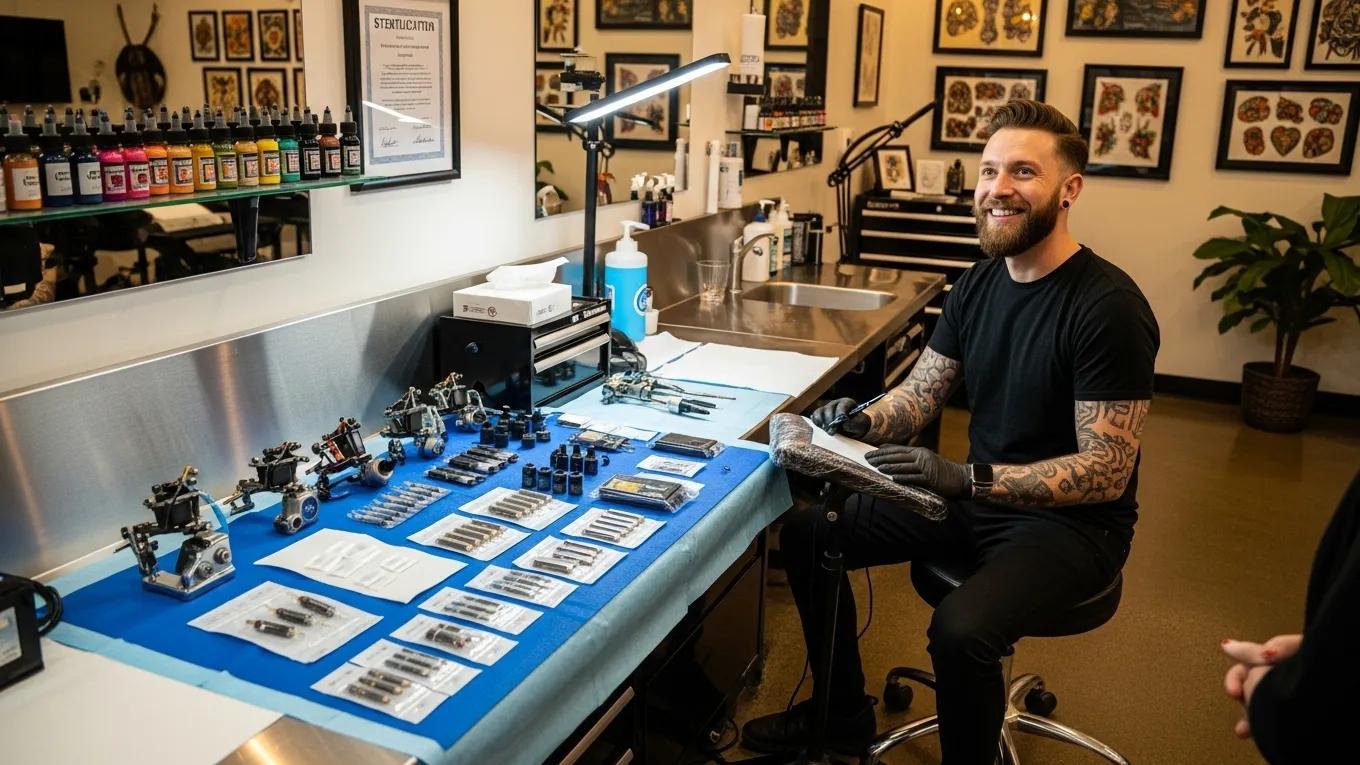
Stay Local Tattoo and Piercing upholds a clean and safe environment by utilizing high-quality inks and equipment, ensuring that all tools are properly sterilized before each use. The studio’s commitment to hygiene and safety is evident in its meticulous cleaning protocols and the professional demeanor of its artists, who prioritize client comfort and safety throughout the tattooing process.
How Are Tattoo Sterilization Procedures Implemented to Ensure Safety?
Sterilization procedures are critical in ensuring the safety of clients receiving tattoos. These procedures involve the use of various methods to eliminate pathogens and prevent infections, which can arise from contaminated equipment.
What Sterilization Methods Are Used for Tattoo Equipment?

Tattoo equipment is typically sterilized using methods such as autoclaving, which uses high-pressure steam to kill bacteria and viruses. Additionally, single-use equipment is employed whenever possible to further reduce the risk of cross-contamination. These practices are essential for maintaining a sterile environment and ensuring client safety.
Infection Control and Sterilization in Tattooing
Background: The purpose of this study was to look at infection control and sterilization procedures in relation to invasive services performed at Personal Service Establishments (PSEs) in British Columbia. The objective was to collect data on the opinions of regulation and infection control practices of persons currently working in the industries of: tattooing, micro-blading and permanent make-up.The public health impact of infection control, sterilization and regulation in tattooing, 2017
How Does Proper Sterilization Prevent Infection Risks?
Proper sterilization significantly reduces infection risks by ensuring that all equipment used during the tattooing process is free from harmful microorganisms. Artists are trained to follow best practices, including the use of personal protective equipment (PPE) and maintaining a clean workspace, which collectively contribute to a safe tattoo experience.
What Qualifications and Certifications Should Tattoo Artists Have for Safe Practices?
Tattoo artists should possess specific qualifications and certifications that demonstrate their competence in safe practices. These credentials are vital for ensuring that artists are knowledgeable about hygiene standards and infection control.
Which Certifications Demonstrate Artist Competence in Bloodborne Pathogen Safety?
Certifications related to bloodborne pathogen safety are essential for tattoo artists. These certifications indicate that the artist has undergone training in infection control and understands the risks associated with bloodborne pathogens. This knowledge is crucial for maintaining a safe environment for clients.
Protecting Clients from Bloodborne Pathogens in Tattoo Shops
and clients at risk of exposure to bloodborne pathogens due to contact with infected blood. Infection control knowledge and practices are critical in preventing diseases associated withIs your Professional Tattoo Artist Protecting You Against Infections?, 2023
How Do Artist Portfolios Reflect Professionalism and Safety Commitment?
Artist portfolios serve as a reflection of professionalism and a commitment to safety. A diverse portfolio showcasing various styles and techniques can instill confidence in clients. Additionally, positive client testimonials can further demonstrate an artist’s dedication to providing a safe and hygienic tattoo experience.
What Safety Tips Should Walk-in Clients Follow for a Hygienic Tattoo Experience?
- Research the Shop: Before visiting, check online reviews and testimonials to gauge the shop’s reputation for cleanliness and safety.
- Ask Questions: Don’t hesitate to ask the artist about their hygiene practices and sterilization methods.
- Prepare Your Skin: Ensure that the area to be tattooed is clean and free from any irritations or infections.
How Can Clients Identify a Clean and Reputable Walk-in Tattoo Shop?
- Cleanliness: Look for a tidy environment, including clean floors, surfaces, and equipment.
- Hygiene Practices: Observe whether artists wear gloves and use sterilized tools.
- Professionalism: A reputable shop will have knowledgeable staff who can answer questions about safety and hygiene protocols.
What Are the Best Practices for Walk-in Appointment Safety?
- Arrive Prepared: Bring any necessary identification and be ready to discuss your tattoo ideas with the artist.
- Stay Informed: Understand the aftercare process and ask the artist for specific instructions.
- Communicate: Inform the artist of any allergies or skin sensitivities before the tattooing begins.
How Should Clients Manage Tattoo and Piercing Aftercare to Prevent Infection?
Proper aftercare is crucial for preventing infections and ensuring the healing of tattoos and piercings. Clients should follow specific guidelines to maintain hygiene during the healing process.
- Keep the Area Clean: Gently wash the tattoo or piercing with mild soap and water.
- Moisturize: Apply a recommended ointment or lotion to keep the area hydrated.
- Monitor for Signs of Infection: Be vigilant for any unusual redness, swelling, or discharge, and contact a healthcare professional if these occur.
What Are the Recommended Aftercare Steps for Maintaining Hygiene?

Aftercare is essential for maintaining hygiene and promoting healing. Clients should adhere to the following steps:
- Avoid Soaking: Do not submerge the tattoo or piercing in water for extended periods.
- Limit Sun Exposure: Protect the area from direct sunlight to prevent fading and irritation.
- Follow Artist Instructions: Always adhere to the specific aftercare instructions provided by the artist.
How Does Proper Aftercare Support Healing and Safety?
Proper aftercare supports healing by creating an optimal environment for the skin to recover. Keeping the area clean and moisturized helps prevent infections and promotes faster healing, ensuring that the tattoo or piercing remains vibrant and healthy.
What Common Questions Do Clients Have About Tattoo Shop Safety and Hygiene?
Clients often have questions regarding the safety and hygiene practices of tattoo shops. Addressing these concerns can help build trust and confidence.
How Do Tattoo Shops Stay Clean and Sterile?
Tattoo shops maintain cleanliness through rigorous cleaning protocols, including regular disinfection of surfaces and equipment. Artists are trained to follow strict hygiene practices, ensuring that all tools are sterilized and that the workspace remains clean throughout the tattooing process.
Can I Safely Walk In for a Tattoo Without an Appointment?
Yes, many tattoo shops, including Stay Local Tattoo and Piercing, accommodate walk-in clients. However, it is essential to ensure that the shop adheres to hygiene standards and that artists are prepared to provide a safe experience. Clients should feel comfortable asking about the shop’s protocols before proceeding with a walk-in appointment.

Post a comment