

Top Considerations When Selecting a Piercing Shop in Denver
pTop Factors to Consider When Choosing a Piercing Shop in Denver for Your Safety

By Ben Gunn, Stay Local Tattoo and Piercing
Selecting a piercing shop materially affects one’s health and safety. As body piercings become more prevalent, it is necessary to evaluate the factors that ensure a safe and satisfactory outcome. This article outlines key considerations for choosing a piercing shop in Denver, including hygiene standards, practitioner qualifications, customer reviews, and the facility environment. It also explains Denver-specific hygiene requirements, methods to verify professional credentials, and recommended aftercare practices to preserve piercing safety.
Hygiene Standards
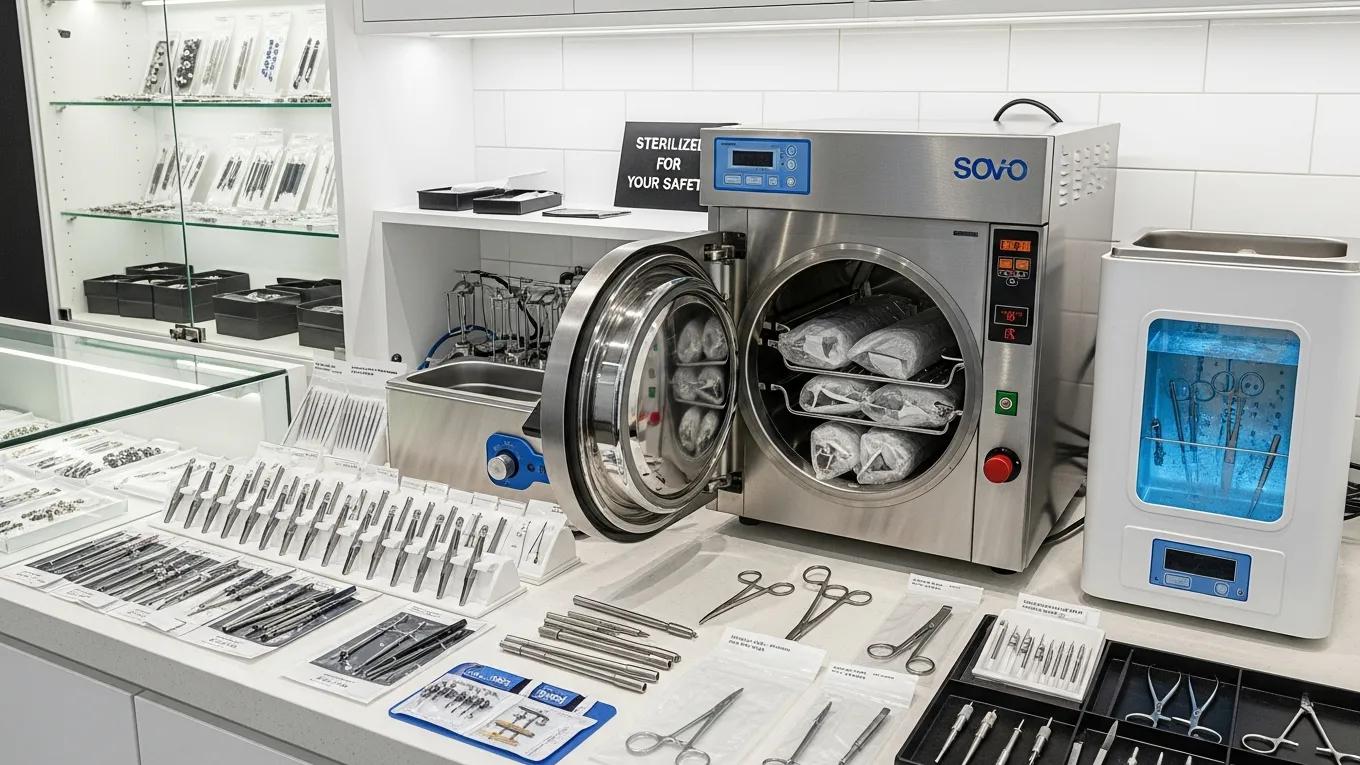
Hygiene standards are central to client safety and infection prevention. A reputable studio implements rigorous protocols, including sterilized instruments and systematic sanitation procedures. Familiarity with these standards enables assessment of a shop’s commitment to safety.
Empirical evidence links inadequate hygiene practices to elevated risk of serious health complications following piercings.
Risks of Poor Hygiene in Body Piercing
Following a cluster of pseudomonas skin infections associated with a piercing and tattoo premises, authorities conducted a look-back exercise and offered clients screening for blood-borne viruses. Of 809 individuals screened, 581 (72%) reported a piercing at the premises of interest; 94 (16%) were under 16 years of age at the time of screening. The most common piercing sites were ear (34%), nose (27%), nipple (21%) and navel (21%). Fewer than five individuals tested positive for hepatitis B or C, with no evidence linking these cases to the premises. However, 211 of 581 clients (36%) reported a skin infection associated with their piercing.
… protection of young people wanting body piercing: Evidence from a look-back exercise at a piercing and tattooing premises with poor hygiene practices, Wales (UK) …, 2018
How Do Sterilization Methods Ensure Client Safety?
Sterilization is essential to prevent infection during the piercing procedure. Standard techniques include autoclaving, which employs high-pressure steam to inactivate microorganisms. The use of single-use consumables, such as needles and gloves, prevents cross-contamination. Selecting a facility that applies these methods reduces the likelihood of complications.
Which Equipment and Procedures Meet Local Health Regulations?
In Denver, piercing establishments must comply with local health regulations governing equipment and procedures. Requirements include the use of FDA-approved materials for jewelry, proper instrument sterilization, and maintenance of a sanitary environment subject to regular inspection. Awareness of these regulations assists clients in selecting an appropriate facility.
Additional research further underscores the importance of strict infection control and sterilization protocols in personal service establishments, including piercing studios.
Infection Control & Sterilization in Piercing Shops
Background: This study examined infection control and sterilization procedures associated with invasive services at Personal Service Establishments (PSEs) in British Columbia. The objective was to gather data on regulatory perspectives and infection control practices from practitioners in the industries of tattooing, micro-blading and permanent make-up.
The public health impact of infection control, sterilization and regulation in tattooing, 2017
Stay Local Tattoo and Piercing emphasizes hygiene and safety by ensuring that equipment is sterilized and that the studio complies with or exceeds local health regulations. Their procedural rigor demonstrates a clear commitment to client safety.
Artist Qualifications
Piercer qualifications are a critical consideration. A professional piercer must possess appropriate training and certifications to perform procedures safely and effectively, including knowledge of anatomy, hygiene practices, and aftercare guidance.
What Certifications Should Licensed Piercers Possess?
Licensed piercers should hold credentials from recognized organizations that demonstrate training in safe piercing techniques. Certifications from the Association of Professional Piercers (APP) or equivalent bodies indicate completion of rigorous instruction and adherence to industry standards.
Professional certification serves as a primary indicator of a piercer’s competence and conformity with accepted best practices.
Professional Certification for Piercers
The public often assumes that certification confers protection; however, certification functions principally as a tool to indicate professional competence.
Professional certification, 2004
How Does Stay Local Tattoo and Piercing Demonstrate Professional Expertise?
Stay Local Tattoo and Piercing demonstrates its commitment to quality and safety through a team of experienced piercers who hold relevant certifications and training. Client testimonials corroborate the studio’s professionalism and reinforce its reputation within the Denver area.
Customer Reviews
Customer reviews provide insight into previous clients’ experiences and assist prospective customers in evaluating a studio’s reliability and professionalism.
How to Find Reliable Reviews
Consult multiple review platforms, including Google, Yelp, and social media, and evaluate both positive and negative feedback to form a balanced assessment. Prioritize comments that address cleanliness, staff professionalism, and the overall client experience.
Overall Shop Environment
The facility environment significantly influences a client’s comfort during the piercing procedure. A professional and well-organized setting can reduce anxiety and support a more controlled experience.
What Are the Essential Piercing Hygiene Standards in Denver?
In Denver, specific hygiene standards exist to protect client safety. Key requirements include:
- Use of Sterile Equipment : All tools must be sterilized before use.
- Single-Use Needles : Needles should be disposed of after each use to prevent cross-contamination.
- Clean Environment : The shop should maintain a clean and organized space to promote safety.
How Do Sterilization Methods Ensure Client Safety?
Methods such as autoclaving ensure instruments are free of pathogens, thereby protecting clients during the procedure and contributing to the overall safety of the studio.
Which Equipment and Procedures Meet Local Health Regulations?
Piercing establishments in Denver are required to adhere to local health regulations, including the use of FDA-approved materials and maintenance of sanitary premises. Routine inspections verify compliance and provide clients with assurance.
How to Verify Professional Qualifications and Licensing of Piercers in Denver?
Verification of piercer qualifications and licensure is essential for safety. Clients should request to view certifications and inquire about the practitioner’s training and experience.
What Certifications Should Licensed Piercers Possess?
Licensed piercers should hold credentials from recognized organizations that confirm training in safe piercing practices. Such certifications indicate knowledge of hygiene, anatomy, and appropriate aftercare.
How Does Stay Local Tattoo and Piercing Demonstrate Professional Expertise?
To ensure selection of a reputable establishment, consider Stay Local Tattoo and Piercing, which employs highly qualified piercers who hold relevant certifications and possess extensive experience. Their professional standards are reflected in client feedback that emphasizes expertise and dedication to safety.
What Are the Key Considerations for Piercing Jewelry Quality and Materials?
Jewelry quality is an additional essential consideration. High-grade materials reduce the risk of allergic reactions and support a safe healing process.
Which Jewelry Materials Are Safe and Recommended?
Recommended materials for piercing jewelry include surgical stainless steel, titanium, and gold. These materials are less likely to provoke allergic reactions and are suitable for long-term wear.
How Does Jewelry Quality Impact Piercing Safety?
Inferior-quality materials can provoke infections or allergic responses; therefore, selecting jewelry from reputable sources is important to support proper healing.
What Questions Should Clients Ask During Piercer Consultations?
During consultations, clients should pose questions that clarify the piercer’s qualifications and the shop’s safety protocols.
How to Assess Piercer Communication and Client Care?
Effective communication establishes trust. Seek practitioners who provide comprehensive answers and clear, actionable aftercare guidance.
Which Safety Concerns Should Be Addressed Before Piercing?
Clients should disclose allergies, relevant medical conditions, and prior piercing history, and discuss these factors with the piercer before proceeding.
What Are the Best Practices for Aftercare and Healing to Maintain Piercing Safety?

Aftercare is essential to secure a safe healing trajectory and to prevent infections and complications.
What Are the Recommended Aftercare Instructions for Piercings?
Standard aftercare practices include cleansing the piercing with saline solution, avoiding contact with unwashed hands, and refraining from swimming in pools or hot tubs while healing.
How Does Proper Aftercare Prevent Infections and Complications?
Adherence to aftercare protocols maintains hygiene, reduces the risk of infection, and facilitates a smoother healing process.
How Does Stay Local Tattoo and Piercing Meet and Exceed Safety Standards in Denver?
Stay Local Tattoo and Piercing states a commitment to exceed local safety standards; their stringent hygiene procedures and qualified practitioners distinguish them as a trusted provider in the Denver area.
What Safety Protocols Are Implemented at Stay Local Tattoo and Piercing?
- Regular Sterilization : All equipment is sterilized before each use.
- Single-Use Supplies : Needles and gloves are disposed of after each client.
- Clean Environment : The studio is maintained to the highest cleanliness standards.
How Can Clients Book Professional Piercing Services Safely?
Clients may schedule services by contacting Stay Local Tattoo and Piercing directly. The studio’s team will respond to inquiries and assist with booking to ensure an organized process.
Frequently Asked Questions
What Should I Look for in a Piercing Shop’s Environment?
When assessing a facility, evaluate cleanliness, organization, and professional ambience. Observe maintained premises, visible hygiene procedures, and staff demeanour. A professional environment contributes to client comfort and can mitigate procedural anxiety.
How Can I Ensure the Jewelry Used is Safe for My Piercing?
Request information about the materials offered for piercings. Recommended options include surgical stainless steel, titanium, and gold. Confirm that jewelry is sourced from reputable suppliers and that it meets applicable industry standards. A knowledgeable piercer will provide details on material suitability for the specific piercing.
What Are the Risks of Choosing an Inexperienced Piercer?
An inexperienced piercer may employ improper technique, increase procedural discomfort, and elevate the likelihood of complications such as infection or suboptimal healing. Verify the piercer’s qualifications and experience to ensure professional care and to minimise potential risks.
How Important is Aftercare for My Piercing?
Aftercare is essential to successful healing. Following recommended guidelines—such as saline cleansing and avoiding contact with unclean hands—reduces the risk of infection and supports timely recovery. Failure to adhere to aftercare instructions can result in irritation, delayed healing, or the need for medical intervention.
What Should I Do If I Experience Complications After Getting Pierced?
If complications arise—such as excessive redness, swelling, or discharge—consult the piercer or a healthcare professional promptly. They will assess the condition and recommend appropriate treatment. Do not remove the jewelry unless advised, as premature removal may exacerbate the issue. Prompt attention reduces the risk of escalation and supports a better healing outcome.
Can I Get Pierced If I Have Allergies or Medical Conditions?
Clients with allergies or medical conditions may remain eligible for piercing provided they disclose relevant information in advance. Inform the piercer of any metal allergies and health conditions that could affect healing; the practitioner can recommend suitable materials or alternative approaches to enhance safety and comfort.
Conclusion
Selecting an appropriate piercing shop in Denver is essential for safety and satisfaction; primary considerations include hygiene standards, practitioner qualifications, and customer feedback. Prioritising these elements enables informed choices that minimise risk and improve outcomes. For a vetted option, consider Stay Local Tattoo and Piercing , where professionalism and safety are emphasised. Review their services to proceed with a safe piercing experience.

Post a comment